Tips & Advice
Quail Hill Irvine Garage Door Repair: Common Failures in 2000s Construction
Key Takeaways
- Quail Hill homes built in the early to mid 2000s share similar builder-grade hardware that wears out around the same time.
- Broken torsion springs are the most common failure, often snapping with a loud bang after 12 to 18 years of use.
- Worn plastic rollers and loose hinges cause the grinding and rattling noise common in older doors; nylon rollers run quieter and last longer.
- Aging chain-drive openers and misaligned photo-eye sensors keep doors from closing and lack modern rolling-code security.
- Frayed or rusted cables, sped up by coastal air, can cause crooked doors and sudden dangerous drops if ignored.
- Bent tracks, cracked bottom seals, and dented or faded panels are common aging issues, with HOA rules shaping repair versus replacement choices.
- Annual inspections, twice-yearly lubrication, and upgrades like high-cycle springs prevent repeat failures.
- Urgent Garage Doors offers same-day service across Quail Hill and Irvine with parts that match 2000s builder systems.
In This Article
Most weeks, our phone rings with the same story from Quail Hill homeowners. The garage door froze halfway open before work, or it started groaning so loudly the neighbors noticed. Some callers heard a sharp bang at night and woke up to a door that would not budge in the morning.
There is a reason these calls cluster the way they do. Quail Hill went up in a tight building window in the early to mid 2000s, so a huge share of these homes share the same builder-grade parts. When those parts reach the end of their life, they tend to fail around the same time across the whole tract.
Why 2000s Quail Hill Homes Share the Same Garage Door Problems?
Quail Hill feels custom from the street, but most of these homes came from a small set of builder plans rolled out fast. That speed is exactly why the garage doors here age in sync.
Here is the short version of why the problems repeat:
- Most homes were built within a few short years of each other
- They received similar builder-grade garage door hardware to keep costs down
- The same parts hit their wear limit around the same age
- HOA rules push owners toward similar repair and replacement choices
Once owners understand the pattern, the timing of these failures stops feeling random. It starts looking like a schedule, and that is something a homeowner can plan around.
When Quail Hill Was Built and Why It Matters
Quail Hill came to life in the early 2000s as one of Irvine's newer hillside villages, tucked between the 405 and the open space near Shady Canyon. Builders moved quickly along streets near Quail Hill Loop, filling the tract in a compressed window rather than over many decades. That tight development timeline is the root cause of the synchronized failures we see today.
When dozens of homes get their garage doors installed within the same year or two, those doors also reach old age together. A spring rated for a set number of cycles does not care which house it lives in. If two neighbors both moved in around 2004, their original springs are likely tired at the same time.
We have driven nearly every street in this village, from the homes overlooking the trails to the interior loops near the community center. The pattern holds across the whole area. Matching install dates lead to matching failure dates, which is why a single street can generate several service calls in one season.
This is good news for planning. Once one neighbor's door fails, the others nearby can treat it as a warning. A quick inspection often catches the next failure before it leaves a car stuck in the garage.
The Builder-Grade Hardware Most Homes Received
To hit price targets, builders across the Quail Hill tract installed value hardware rather than premium parts. That meant lighter springs, basic rollers, and entry-level openers. None of it was bad on day one, but it was chosen for cost, not for a 20-year run.
The most common setup included a single torsion spring rated for around 10,000 cycles, plastic or low-grade rollers, and a chain-drive opener. These parts handle daily life fine for the first decade. The trouble shows up as the cycles add up and the metal fatigues.
We see the same builder-grade hardware again and again when we open these doors. The rollers are often the cheap kind with exposed bearings. The hinges are thin steel that loosens over time, and the spring is usually a single unit doing all the work.
Knowing what is inside helps us bring the right replacement parts on the first visit. It also helps owners understand why an upgrade often makes more sense than swapping like-for-like. Our maintenance and upgrade options are built around replacing these tired builder parts with sturdier ones.
How Irvine's Climate Speeds Up Wear
The Irvine climate looks gentle, but it is hard on garage door parts in quiet ways. Dry summer heat bakes the lubricant out of bearings and hinges. The breeze rolling off the nearby hills and coast carries fine moisture and salt that settles on metal.
Temperature swings between cool mornings and hot afternoons cause metal to expand and contract daily. Over two decades, that constant movement adds up to metal fatigue in springs, cables, and fasteners. Parts that would last longer in a stable climate give out sooner here.
Dried-out grease is one of the most common things we find. When the original factory lubricant turns to a sticky crust, rollers drag and springs work harder than they should. That extra strain shortens the life of every moving part on the door.
This is why the same door in Quail Hill often shows more wear than a similar door inland. The coastal influence is subtle, but it is steady, and it never takes a day off.
Why HOA Standards Affect Repairs Here
Quail Hill is governed by an active HOA that cares about how the neighborhood looks. The Quail Hill HOA sets standards on garage door color and style so the streets stay consistent. That matters the moment a repair turns into a replacement.
Owners cannot simply pick any door off the shelf. The replacement needs to match the approved door appearance for the community, including color and panel style. Picking the wrong look can trigger a notice and a costly redo.
We work within these guidelines every time we replace a door in the village. That includes matching the panel design and finishing in a color that fits the approved palette. It keeps owners in good standing and saves them a second round of work.
When a single panel is damaged, the HOA angle also shapes the choice between a partial repair and a full door replacement. We help owners weigh both so the result looks right and lasts.
Get Your Free Quote
Tell us about your garage door and we'll get back to you fast.
Broken Torsion Springs: The Most Common Call We Get
If we had to name the single most common Quail Hill service call, it would be a broken torsion spring. The spring carries the weight of the door, so when it snaps, the door simply stops working. Owners are usually surprised by how suddenly it happens.
Here is what makes springs the first part to go in 2000s homes:
- They do the hardest work on the whole door
- Builder springs were often single units rated for limited cycles
- Daily use over 15-plus years burns through that cycle life
- A break leaves the door too heavy to lift, often stuck shut
A snapped spring is also the failure most likely to leave a car trapped inside. That is why garage door spring repair tops our list of urgent jobs across Quail Hill.
The Loud Bang Homeowners Report
The call almost always starts the same way. Someone heard a loud bang from the garage, sometimes in the middle of the night, and could not figure out what broke. There was no break-in and nothing fell, yet the noise was sharp enough to wake the house.
That sound is the spring snap. When a torsion spring under heavy tension finally fails, it releases that energy in an instant. The result is a crack or bang that echoes through the garage and into the home.
By morning, the door usually will not open or feels impossibly heavy. The opener may strain and hum without lifting the door at all. That combination of a loud bang the night before and a stuck door the next day is a near-certain sign of a broken spring.
When owners describe that exact sequence, we can often diagnose the problem over the phone. Then we bring the right spring and tools for a same-day fix.
Why Original Springs Fail Around the 15-Year Mark
Springs are rated by cycles, not by years. One cycle is a single open and a single close. Many builder springs in Quail Hill carry a 10,000 cycles rating, which sounds like a lot until you do the math.
A household that opens the door four or five times a day burns roughly 1,500 to 1,800 cycles a year. At that pace, a 10,000-cycle spring reaches its rated life in six to seven years of heavy use. Lighter use stretches that out, which is why many original springs hang on until the 12 to 18 year range before they break.
That timing lines up neatly with Quail Hill's age. Homes finished in the early to mid 2000s are now well past that window. The original spring cycle life has simply run out for a large share of them.
This is also why a replacement spring choice matters so much. Installing a higher-cycle spring resets the clock and pushes the next failure much further out. Our torsion spring replacement service uses parts built to outlast the originals.
Single vs Dual Spring Setups in These Homes
Many tract homes in the village got a single spring to trim the build cost. One spring can handle a standard door just fine, but it carries the entire load alone. When it breaks, there is no backup, and the door goes from working to dead in one moment.
A dual spring upgrade splits the work between two springs. Each one carries half the load, so they wear more slowly and last longer. If one ever fails, the second still supports part of the door, which makes the failure safer and less abrupt.
We often recommend converting single-spring doors to a dual setup during a repair. The added cost is modest compared to the reliability it buys. For heavier doors and busy households, it is one of the better upgrades available.
Owners curious about the switch can read more on our spring conversion upgrade page. It explains how the conversion works and why it pays off over time.
Why This Is Not a DIY Fix
We get why owners want to try a spring fix themselves. The part looks simple, and online videos make it seem quick. The problem is the spring tension danger that comes with the job.
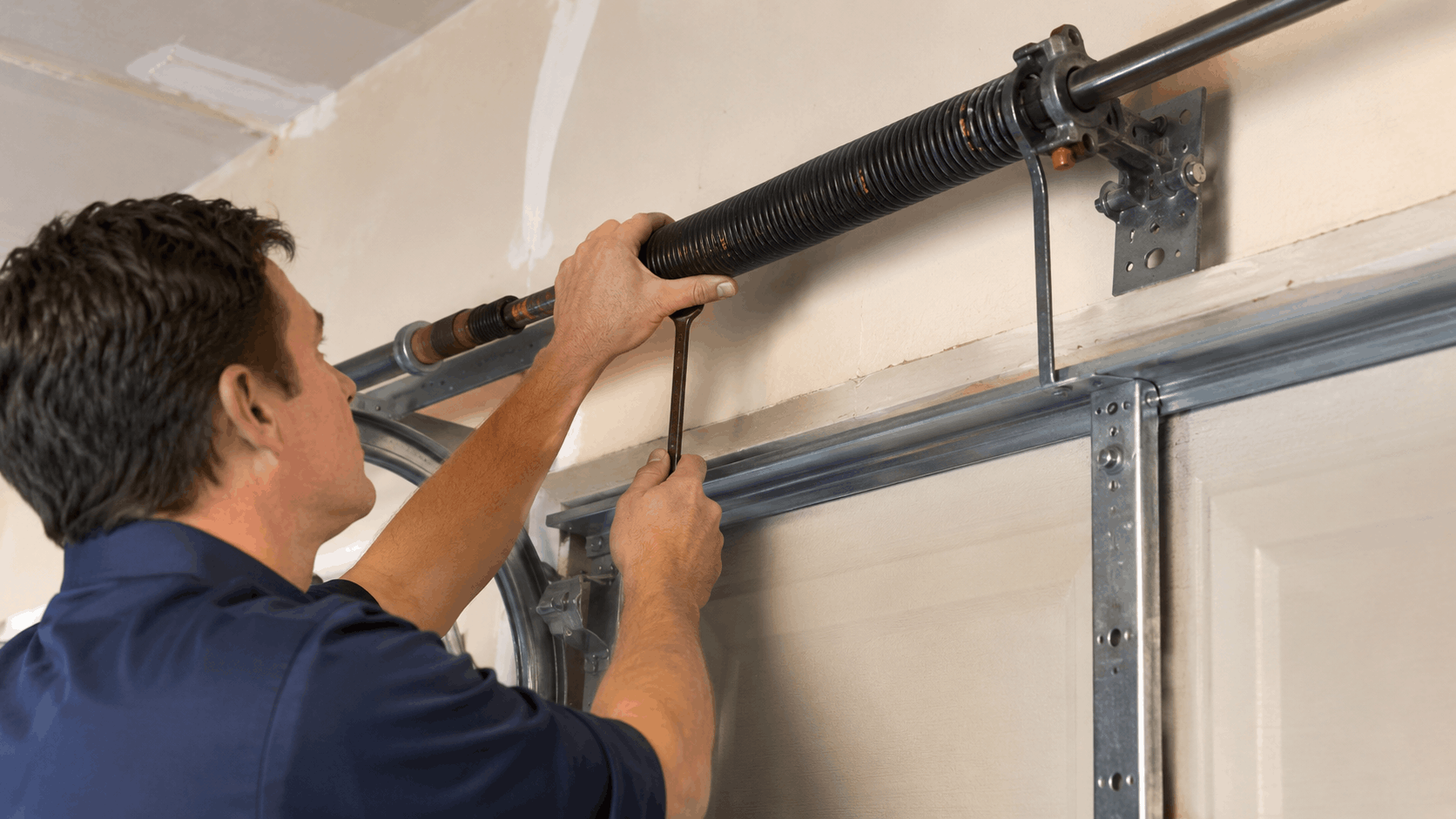
A torsion spring stores a huge amount of energy when wound. Releasing that energy the wrong way can cause serious hand, face, and eye injuries. The winding bars can kick back hard if they slip, and a fully wound spring does not forgive mistakes.
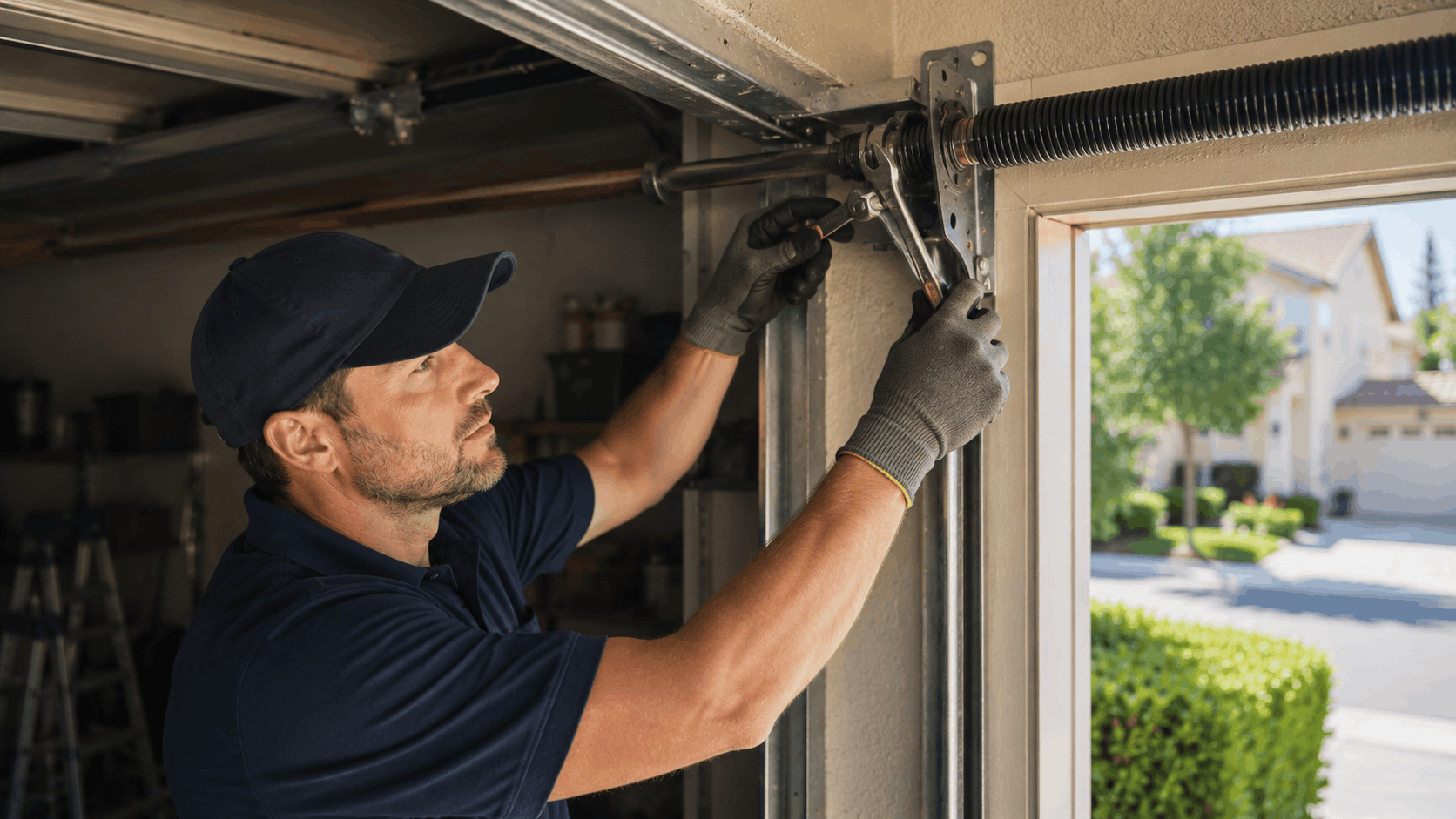
This is one repair where professional repair is the smart choice for owners along Quail Hill streets. Our techs carry the correct winding tools and know how to control the tension safely. We also confirm the door balance once the new spring is in.
The cost of a pro fix is small next to a trip to the emergency room. When a spring breaks, the safest move is to leave the door alone and call our team.
Need Help in Irvine?
Urgent Garage Doors serves Irvine and all of Orange County.
Worn Rollers and Hinges That Make Doors Loud and Shaky
A door that screeches, grinds, or rattles on the way up is a common complaint in older Quail Hill garages. Most of the time, the culprit is worn rollers and tired hinges. The noise builds slowly, so owners often tune it out until it gets impossible to ignore.
Here is what drives that racket:
- Rollers wear flat or seize up inside their bearings
- Hinges loosen and crack from years of vibration
- Dried lubricant turns smooth travel into metal-on-metal drag
- Loose fasteners let the whole door wobble in the tracks
A noisy garage door is more than an annoyance. The same hinge wear and roller failure that cause the sound can eventually throw the door off track.
The Grinding and Squealing Noise Explained
That grinding sound has a clear source. The cheap builder rollers ride on small roller bearings that wear out over time. Once the bearings flatten or seize, the roller drags instead of rolling, and the door fights its way along the track.
The squeal often comes from dry metal rubbing against dry metal. When the original grease hardens or washes away, every moving joint adds friction. The opener then works harder, and the whole assembly gets louder.
We can usually tell a lot from the type of grinding noise a door makes. A rhythmic clunk points to a flat spot on a roller, while a steady screech points to dry hinges and bearings. Each sound maps to a specific worn part.
Catching it early keeps a small fix from turning into a bigger one. A noisy door that gets ignored often becomes a binding or off-track door later.
Plastic Rollers vs Sealed Nylon Replacements
Builders in the 2000s often used basic plastic rollers to save money. These wear quickly, crack under load, and get loud as they age. Plastic roller failure is one of the most common things we find on Quail Hill doors.
The modern fix is a set of sealed nylon rollers. They run quieter, glide more smoothly, and last far longer than the original plastic ones. The sealed bearings keep grit out and hold lubricant in, which extends their life even in our dusty, breezy climate.
Swapping to nylon rollers is one of the most satisfying upgrades for owners. The difference in noise is dramatic, often turning a rattling door into one that runs quietly. It is a small part with a big payoff.
We cover this directly with our quiet roller hardware upgrade. It is a popular add-on whenever we service an aging door in the village.
Cracked Hinges and Loose Fasteners
Every time the door moves, it vibrates. Over 15 or 20 years, that vibration slowly loosens the bolts holding the hinges and brackets. Loose fasteners let parts shift, which adds play and noise to the system.
The thin steel hinges on builder doors also crack with age and stress. A cracked hinge can let a panel sag or shift, which throws the whole door out of square. Once that happens, the rollers no longer track straight.
We check every hinge and fastener during a service visit. Tightening loose bolts and replacing cracked hinges keeps the door square and quiet. It also prevents the kind of misalignment that leads to off-track failures.
If a door already jumped its track, our off-track repair service gets it running again. Catching loose hardware early helps owners avoid that situation entirely.
How Regular Lubrication Slows This Down
The simplest way to extend roller and hinge life is regular garage door lubrication. Twice a year, owners can spray a garage-rated lubricant on the rollers, hinges, and springs. It takes about ten minutes and makes a real difference.
The trick is using the right product. A silicone or lithium-based garage door spray works well, while heavy oils attract dust and gum up. A light, even coat on the moving parts keeps everything gliding.
We suggest doing this in spring and fall, which lines up with Irvine's seasonal shifts. Fresh lubricant before the dry summer and again before the cooler, damper months keeps parts protected year-round. This kind of maintenance is the cheapest insurance a homeowner has.
For owners who would rather not climb a ladder, our preventive maintenance plan handles it on a schedule. We lubricate, tighten, and inspect every visit so small problems never grow.
Aging Openers and Failing Safety Sensors
The opener is the part owners touch every day, so its decline is easy to notice. Many garage door opener units in Quail Hill are original chain-drive models from the 2000s. After two decades, the motor and gears start to give out.
The other common opener-related issue is the safety sensor. The photo eye sensors near the floor are easy to bump and quick to collect dust, and when they fall out of line, the door refuses to close. Both problems are common in older village homes.
Signs the Original Opener Is Wearing Out
An aging opener gives plenty of warning signs. The door may respond slowly to the remote, or the motor may hum without moving the door. Some owners notice the opener works fine in the morning but struggles in the afternoon heat.
Inside the unit, a worn stripped gear is one of the most common causes of failure. The plastic main gear wears down until it can no longer grip, and the motor spins without lifting anything. That grinding hum with no movement is a classic sign.
Other symptoms of opener failure include flickering lights, intermittent operation, and louder running over time. Chain-drive units from the 2000s also rattle more as they age. When several of these signs show up together, the opener is near the end.
Our techs can often rebuild or repair an opener if the rest of the unit is sound. When it is not worth saving, we explain the replacement options clearly. The goal is a door that responds the first time, every time.
Photo-Eye Sensors That Refuse to Close the Door
The two small sensors near the bottom of the tracks are a safety feature. They shoot an invisible beam across the opening, and if anything breaks it, the door reverses. When they fall out of alignment, the door will not close even with nothing in the way.
Sensor misalignment happens easily. A bumped bracket, a stray ball, or a stored bin can knock a sensor off its aim. Spiderwebs and dust on the lens also block the beam, and afternoon sun glare can confuse the eyes.
The telltale sign is a door that starts to close, then stops and reverses, often with a blinking opener light. Owners describe it as the door won't close no matter how many times they press the button. The fix is usually realigning and cleaning the sensors.
Our safety sensor alignment repair sets the eyes back into perfect line. It is a quick visit that solves one of the most frustrating door problems owners face.
Outdated Remotes and Security Risks
Openers from the early 2000s often used fixed-code remotes. These send the same code every time, which a determined thief can capture and replay. That is a real security gap for homes with an attached garage.
Modern openers use rolling code technology instead. The code changes with every press, so a captured signal is useless the next time. This single feature greatly improves remote security for a home.
Newer units also add smartphone control and activity alerts. Owners can check whether the door is closed from anywhere and get a notice if it opens unexpectedly. For a busy Quail Hill household, that visibility is a genuine convenience.
Upgrading the opener is the easiest way to gain these protections. Our smart Wi-Fi opener setup brings older garages up to current security standards.
When to Repair vs Replace the Opener
The repair vs replace decision comes down to a few factors. Age, the cost of parts, and the value of new features all play in. A minor fix on a 10-year-old opener usually makes sense, while a major repair on a 20-year-old unit often does not.
Our rule of thumb is simple. If the repair costs more than half the price of a new opener, replacement is usually the better value. That is especially true when the old unit lacks modern safety and security features.
New openers also add features the originals never had. A battery backup keeps the door working during the power outages that hit Irvine during storms and grid events. Quieter belt drives and smartphone control round out the upgrade.
We lay out both paths honestly during a visit. Our opener repair and troubleshooting service starts with a diagnosis, then a clear recommendation with no pressure.
Cable Problems and Doors That Hang Crooked
The lift cables work alongside the springs to raise and lower the door evenly. When a garage door cable frays or snaps, the door can hang crooked or jam in place. This is a common problem in the 2000s installs around Quail Hill, where the original cables have seen two decades of strain.
A bad cable is also a safety issue, not just an inconvenience. Running the door on a damaged cable can lead to sudden, dangerous drops. That makes prompt cable repair important the moment trouble shows.
What a Frayed Cable Looks Like
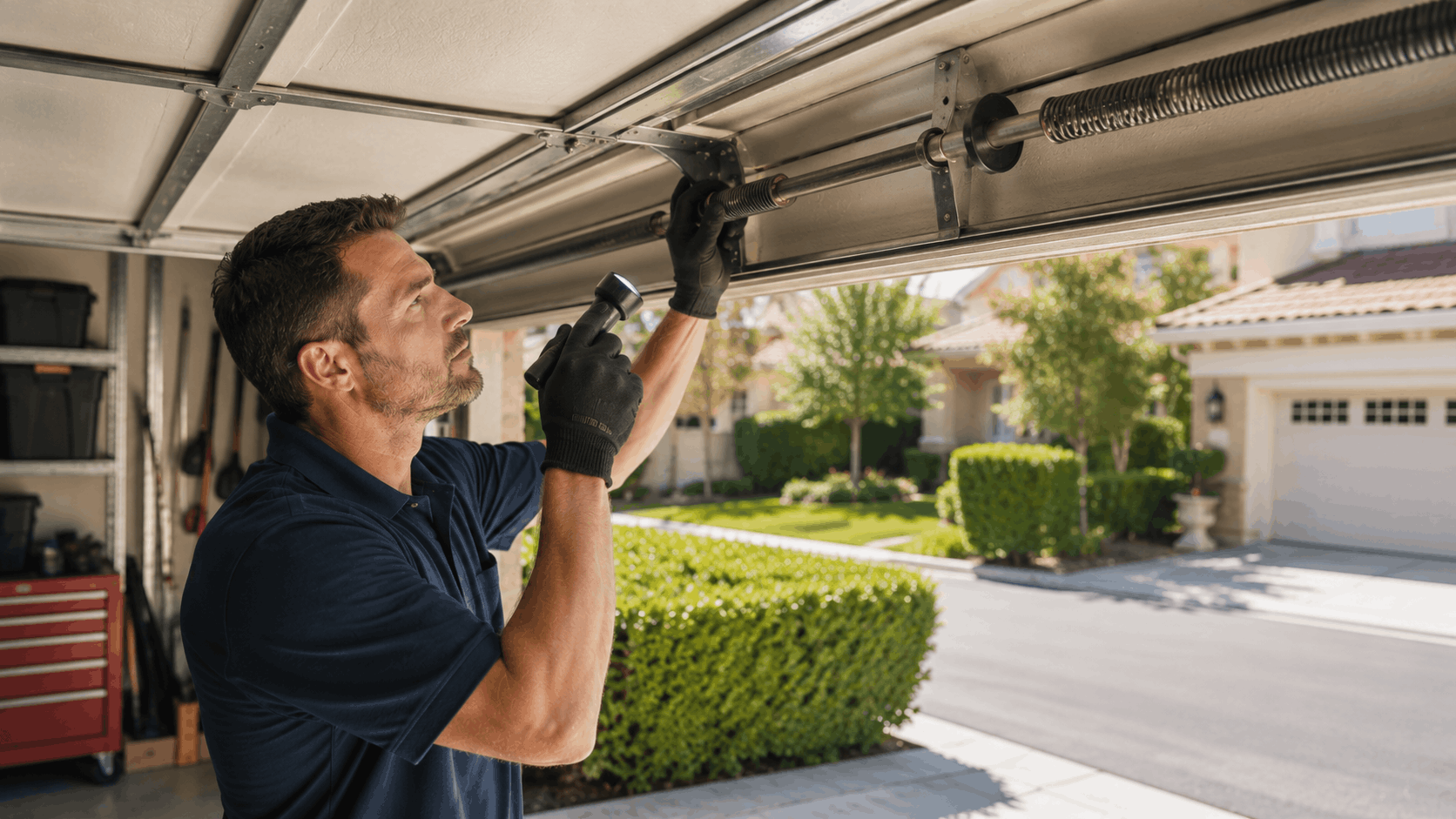
Cable failure rarely happens all at once. It usually starts with a few broken strands that fray out like a worn rope. Owners who look closely can often spot a frayed cable before it snaps completely.
The places to check are near the bottom bracket at the base of the door and up at the drum near the top. These spots take the most stress and show wear first. Rust stains or kinks in the cable are warning signs too.
If a cable looks fuzzy, frayed, or rusted, it is on borrowed time. A frayed cable can hold for weeks or fail the next morning, and there is no safe way to predict which. Catching it early lets us replace it on a calm schedule rather than an emergency one.
We replace both cables together as a pair when one shows wear. Since they age at the same rate, swapping both prevents a second failure soon after. Our garage door cable repair covers the full job.
Why One Side of the Door Drops Lower
A door that looks tilted or lopsided usually has a cable problem. When a cable slips off its drum or stretches, that side loses support. The result is an uneven door that sits lower on one corner.
A cable slip often happens when the door is forced or hits an obstruction. The cable jumps the grooves on the drum and unwinds unevenly. From then on, one side rides differently than the other.
This tilt is more than a cosmetic issue. A crooked door binds in the tracks and puts extra strain on the rollers, hinges, and opener. Left alone, it can pull the door off track entirely.
When owners describe a door that hangs at an angle, we check the cables and drums first. Re-seating or replacing the cable and rebalancing the door restores even travel. Proper door balancing and tension adjustment finishes the job.
Rust and Corrosion From the Coastal Air
Quail Hill sits close enough to the coast to feel the marine influence. The breeze that rolls in off the nearby hills and ocean carries fine moisture and salt. Over the years, that air drives cable rust from the outside in.
Steel cables are especially prone to coastal corrosion. Rust weakens the individual strands until they begin to break under load. A cable that looks fine on the surface may be corroded where it wraps the drum or bracket.
This is why cables in our area often wear out faster than the manufacturer's general estimate. The salt air never stops working on the metal. Garages that stay damp or poorly ventilated see it even sooner.
We look for rust on every cable inspection, not just fraying. Replacing a corroded cable before it snaps avoids a sudden failure and the damage that follows. It is a small repair that prevents a much bigger one.
The Safety Risk of Driving a Door With a Bad Cable
Owners sometimes keep using a door with a worn cable to put off the repair. We strongly advise against it. Cable safety is one of the areas where a small problem can turn dangerous fast.
If a stressed cable snaps while the door is moving, the load shifts violently. One side can drop while the other holds, twisting the door. A sudden drop like that can damage the door, the opener, and anything underneath it.
There is also the risk to people and pets near the door. A heavy panel coming down without warning is a serious hazard. No car or schedule is worth that gamble.
When a cable looks bad, the safest move is to stop using the door and call us. Our emergency garage door repair team can respond quickly and get the door safe again.
Need Help in Irvine?
Urgent Garage Doors serves Irvine and all of Orange County.
Bent Tracks, Worn Weather Seals, and Panel Damage
Not every door problem is mechanical. As doors age in Quail Hill, structural and sealing issues show up too. A bent track, a cracked weather seal, or panel damage can all affect how a door looks and works.
These issues tend to creep in slowly. A small dent here, a dried seal there, and over time the door no longer runs clean or keeps the elements out. Catching them early keeps repairs simple.
Bent or Misaligned Tracks From Daily Use
The tracks guide the rollers, so they need to stay straight and aligned. A bumped fender, a stored item, or normal house settling can nudge a track out of line. Track misalignment then causes the door to bind and travel unevenly.
A door that catches, jerks, or makes a loud pop at the same spot every time usually has a track issue. The rollers hit the bent section and fight their way past. That extra strain wears the rollers and opener faster.
A binding door can also slip off track if the problem grows. A track that is loose at its brackets or dented at a curve is worth fixing right away. The repair is far easier before the door comes off.
Our techs straighten or replace damaged track sections and re-square the alignment. Our track repair and realignment service gets the door gliding smoothly again.
Cracked Bottom Seals Letting in Dust and Water
The rubber strip along the bottom of the door is the first defense against the outdoors. Over the years, sun and heat dry it out until it cracks and hardens. A failed bottom seal stops sealing the gap.
Once the seal cracks, dust, leaves, and bugs find their way in. During Irvine's wet winter months, rainwater can seep under the door and across the garage floor. Owners often notice puddles or a dusty film on stored items.
Replacing the weather stripping is a quick, affordable fix. A fresh bottom seal blocks the elements and helps with temperature control inside the garage. It also keeps the space cleaner year-round.
For owners who want better insulation along with sealing, our weatherseal and insulation retrofit upgrades the whole package. It is a smart move for garages used as gyms, offices, or storage.
Dented and Faded Panels on Tract Doors
The steel panels on builder doors are thin to keep costs down. That makes them easy to dent from a basketball, a bike, or a backed-in car. A dented panel stands out on an otherwise clean door.
Years of direct Irvine sun also fade the paint. A faded door looks dull and mismatched, especially next to newer doors on the street. In a community with HOA standards, that fade can become a compliance issue.
Repainting or refinishing can restore the look in many cases. The color has to match the approved Quail Hill palette, which we account for on every job. Keeping the door within HOA guidelines avoids notices and rework.
When the damage is too deep to hide, a panel swap or full replacement may be the better path. We help owners weigh appearance, cost, and HOA rules before deciding.
When Panel Damage Means a Full Replacement
Not all panel damage calls for a new door. A single dented or cracked panel can sometimes be replaced on its own. Our panel replacement service handles those targeted fixes.
The catch is matching. On an older door, a new single panel may not match the faded color of the rest. The HOA may also prefer a uniform look, which pushes toward a full door replacement.
We also weigh the door's overall condition. If the springs, rollers, and opener are all near the end too, replacing the whole door often makes more sense than patching one panel. A new door resets everything at once.
For full replacements, our sectional garage door replacement matches the style and color the community expects. We handle the measuring, ordering, and install from start to finish.
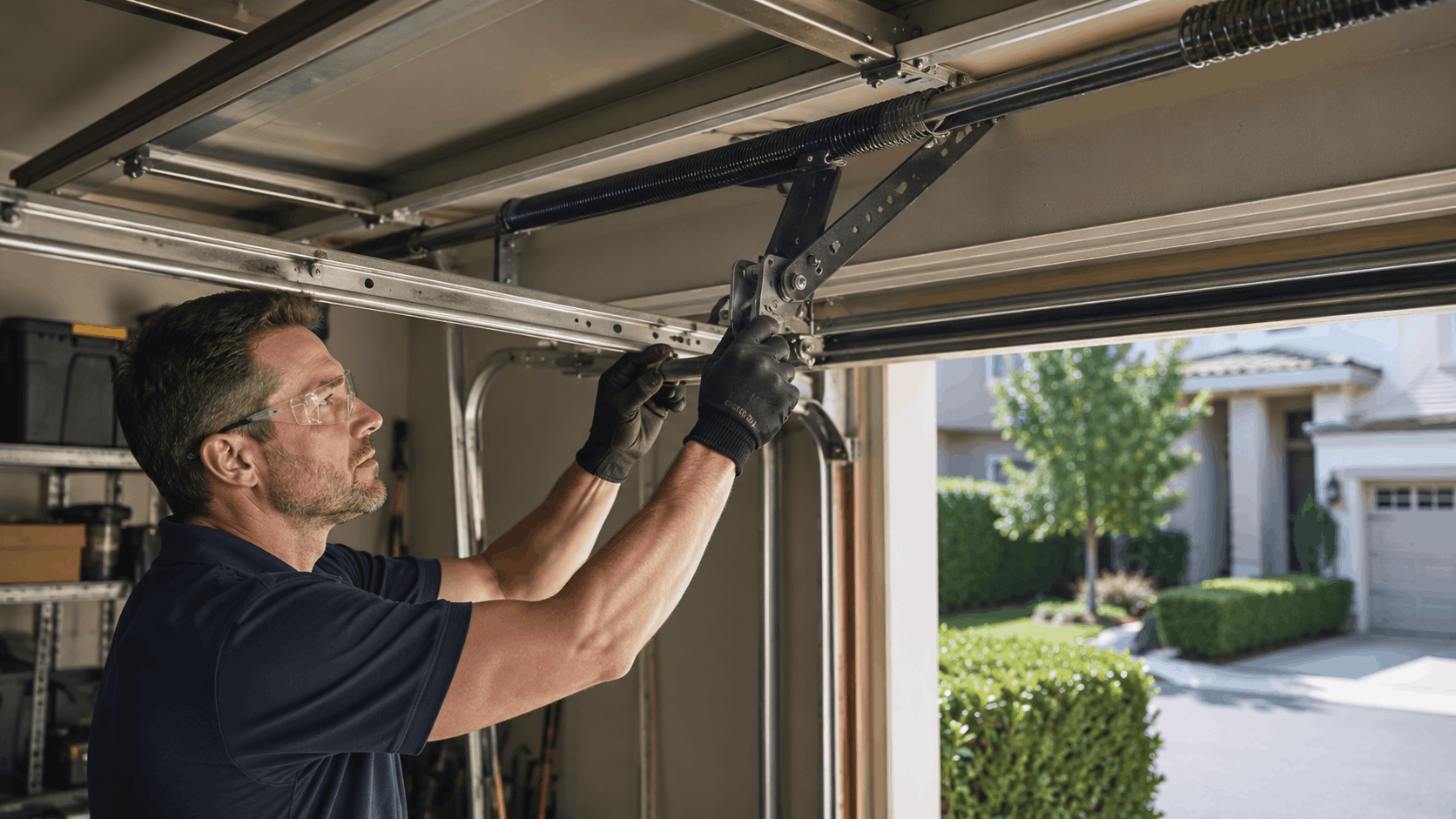
How Urgent Garage Doors Handles Repairs Across Quail Hill
When something breaks, owners want a fast, honest fix from a team that knows the area. That is exactly what our Urgent Garage Doors crew brings to every Quail Hill repair. We work these streets often and know the hardware inside these homes.
Here is what owners can expect from our Irvine garage door service:
- Quick response to Quail Hill and nearby neighborhoods
- A full, point-by-point inspection of the whole door
- Parts that match the common 2000s builder systems
- Upgrade options that prevent the same failure twice
Fast Response to Quail Hill and Nearby Streets
We route from across the Irvine area to streets near Quail Hill Loop quickly. Our familiarity with the village means less time hunting for the address and more time fixing the door. A stuck door is a real disruption, so speed matters.
We also cover the neighborhoods around Quail Hill, including Turtle Rock and the homes out toward Shady Canyon Drive. The same 2000s-era issues show up across these areas. Our crews know the typical builder setups in each.
For urgent breaks, our same-day service often gets a tech to the home within hours. We carry the most common springs, cables, and rollers on the truck. That local response turns many calls into one-visit repairs.
Owners in nearby villages like Portola Springs get the same fast attention. We treat the whole Irvine area as home turf.
The Full Door Inspection We Run
Every visit starts with a complete door inspection. We do not just fix the part that failed and leave. We check the whole system so a hidden problem does not cause the next breakdown.
Our point-by-point check covers the springs, cables, rollers, hinges, tracks, and opener. We test the door balance by disconnecting the opener and lifting by hand. A door that drifts or feels heavy points to spring or balance trouble.
The safety check also includes the photo-eye sensors and auto-reverse function. These features protect families and pets, so we confirm they work correctly. If anything is off, we explain it plainly and recommend a fix.
This thorough approach catches small issues before they become emergencies. Owners get a clear picture of their door's health, not just a quick patch. For more on safe operation, the U.S. Consumer Product Safety Commission offers helpful garage door safety guidance.
Matching Parts to 2000s Builder Systems
Because we work Quail Hill often, we know the builder hardware these homes received. That means we stock the right replacement parts for the common setups. Owners are not left waiting days for a special order on routine repairs.
We bring springs sized for these doors, the correct cables, and rollers that fit the existing tracks. Matching parts on the first visit keeps the job to a single trip. It also keeps the repair clean and reliable.
When a part is no longer made, we know the modern equivalent that fits. Decades of industry standards mean most builder systems have a current match. We handle that translation so owners do not have to.
This local knowledge is a real time-saver. It is the difference between a same-day fix and a multi-day wait for parts.
Upgrades That Prevent Repeat Failures
Replacing a broken part with the same cheap part just resets the same countdown. We prefer to upgrade owners to parts that outlast the originals. That way the next failure is years further out.
The most popular upgrades are high-cycle springs and sealed nylon rollers. High-cycle springs are rated for many more open-and-close cycles than the builder originals. They cost a bit more but last far longer in a busy home.
Other upgrade options include modern openers with battery backup, smart access, and quieter belt drives. Together these turn an aging builder door into a quiet, reliable system. The Department of Energy's guidance on weatherizing also explains why a sealed, insulated door helps comfort and efficiency.
We always present upgrades as options, never as pressure. Owners decide what fits their home and budget after we lay out the trade-offs.
Need Help in Irvine?
Urgent Garage Doors serves Irvine and all of Orange County.
Final Thoughts
Quail Hill's garage doors age together because the homes were built together. That shared timeline means broken springs, worn rollers, tired openers, and frayed cables show up across the village around the same age. Knowing the pattern lets owners spot trouble early and act before a car gets stuck inside.
The good news is that most of these failures are predictable and fixable. A quick inspection, the right replacement parts, and a few smart upgrades can keep a 2000s-era door running quietly for years. The HOA-friendly look stays intact, and the daily headaches go away.
If a door is making new noises, hanging crooked, or refusing to close, our team is ready to help. Call Urgent Garage Doors or reach out through our contact page for a same-day inspection across Quail Hill and the rest of Irvine. We will diagnose the problem, explain the options, and get the door working safely again.
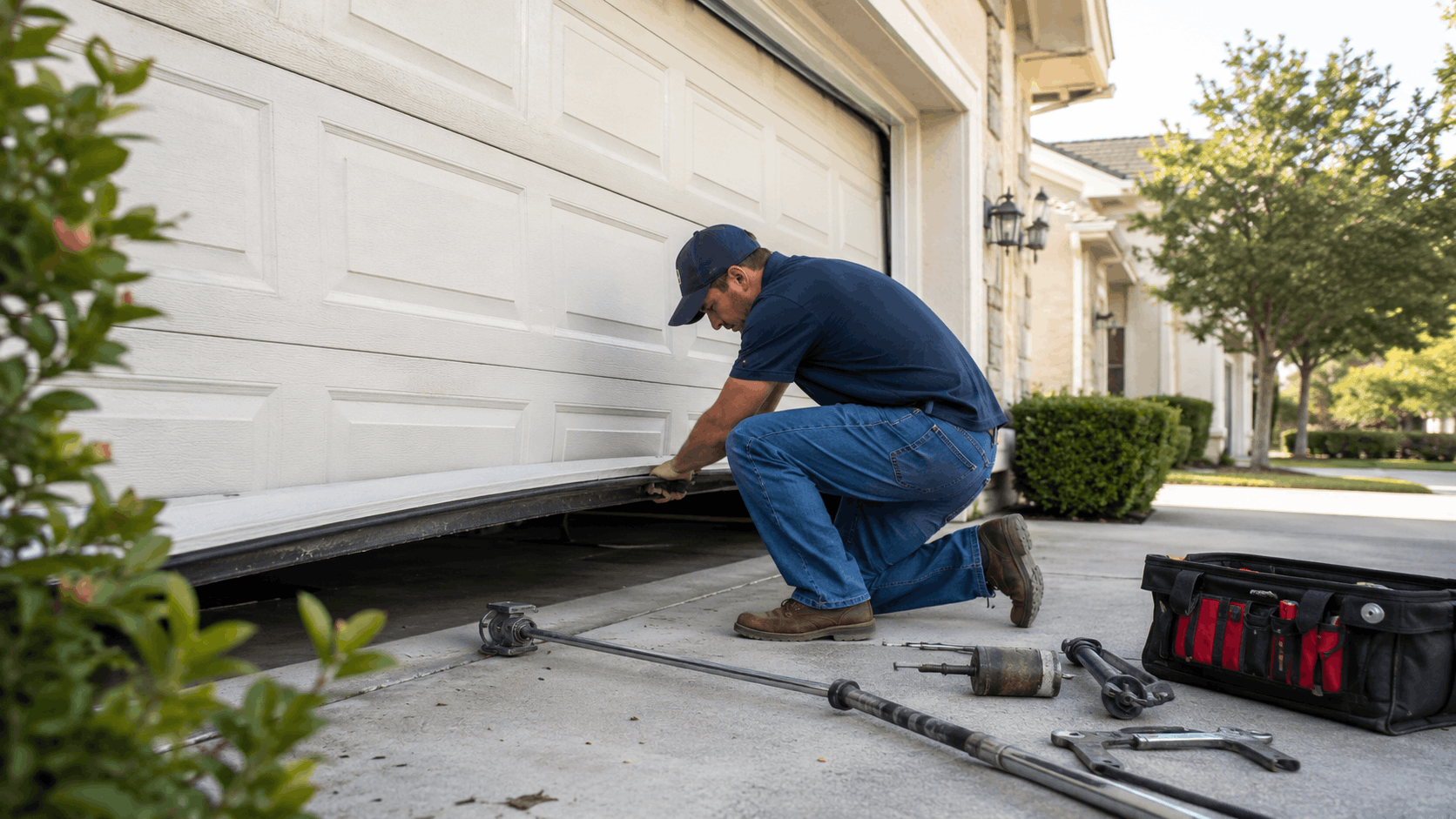
Frequently Asked Questions
Why do so many Quail Hill garage doors fail around the same time?
Quail Hill homes were built in a tight window in the early to mid 2000s, so most received similar builder-grade hardware installed within a year or two of each other. Springs, rollers, and openers all have a usable lifespan, and parts installed at the same time reach the end of that lifespan together. When one neighbor's door fails, nearby homes often follow soon after.
How long do garage door springs last in Irvine homes?
Most builder springs carry a 10,000-cycle rating, where one cycle is a single open and close. A typical household burns about 1,500 to 1,800 cycles a year, so original springs often last around 12 to 18 years before breaking. Heavy use, coastal air, and dried-out lubricant can shorten that. High-cycle replacement springs last considerably longer.
How much does a garage door spring repair cost in Quail Hill?
Spring repair costs vary based on the spring type, whether one or two springs are replaced, and the door size. Most single torsion spring replacements fall into a moderate price range, while dual-spring setups and high-cycle upgrades cost more. We always quote the price before any work starts so owners know the full cost up front.
Why won't my garage door close all the way?
The most common cause is misaligned or dirty photo-eye sensors near the floor, which stop the door and reverse it. A bent track, an obstruction, or incorrect limit settings on the opener can also cause it. Cleaning and realigning the sensors fixes many cases, but a professional check confirms the exact cause.
Is it safe to use my door if a cable looks frayed?
No. A frayed cable can snap without warning, which can cause the door to drop suddenly or hang crooked under load. That is a real safety hazard for people, pets, and vehicles near the door. Stop using the door and call our team to inspect and replace the cable before something worse happens.
Should I repair or replace my 2000s-era garage door?
It depends on the door's age, how often it has needed repairs, and the condition of the panels, springs, and opener. If multiple parts are worn and the panels are dented or faded, a full replacement often makes more sense than repeated fixes. HOA appearance rules also factor in, since a new door can match the approved community look.
Can I match my new door to Quail Hill HOA standards?
Yes. The Quail Hill HOA sets standards on door color and style to keep the neighborhood consistent. We help owners choose a replacement that matches the approved palette and panel design, so the new door stays within guidelines. Matching the look up front avoids HOA notices and the cost of redoing the work.
How often should I have my garage door inspected?
For older Irvine homes, we recommend a professional inspection once a year. Doors built in the 2000s have parts near the end of their life, so an annual check catches worn springs, cables, and rollers early. Owners can also lubricate the moving parts twice a year between inspections to extend hardware life.
Do you offer same-day repair in Quail Hill?
Yes. Our crews route quickly from across Irvine to Quail Hill and nearby streets, and we carry common springs, cables, and rollers on the truck. That lets us handle many repairs in a single same-day visit. Call us or use our contact page, and we will get a technician out as soon as possible.
What upgrades help prevent these failures from coming back?
The best upgrades are high-cycle torsion springs, sealed nylon rollers, and a modern opener with battery backup. High-cycle springs last far longer than builder originals, nylon rollers run quieter and resist wear, and a new opener adds rolling-code security and smart features. Together they turn an aging builder door into a reliable, long-lasting system.
Frequently Asked Questions
- Why do so many Quail Hill garage doors fail around the same time?
- Quail Hill homes were built in a tight window in the early to mid 2000s, so most received similar builder-grade hardware installed within a year or two of each other. Springs, rollers, and openers all have a usable lifespan, and parts installed at the same time reach the end of that lifespan together. When one neighbor's door fails, nearby homes often follow soon after.
- How long do garage door springs last in Irvine homes?
- Most builder springs carry a 10,000-cycle rating, where one cycle is a single open and close. A typical household burns about 1,500 to 1,800 cycles a year, so original springs often last around 12 to 18 years before breaking. Heavy use, coastal air, and dried-out lubricant can shorten that. High-cycle replacement springs last considerably longer.
- How much does a garage door spring repair cost in Quail Hill?
- Spring repair costs vary based on the spring type, whether one or two springs are replaced, and the door size. Most single torsion spring replacements fall into a moderate price range, while dual-spring setups and high-cycle upgrades cost more. We always quote the price before any work starts so owners know the full cost up front.
- Why won't my garage door close all the way?
- The most common cause is misaligned or dirty photo-eye sensors near the floor, which stop the door and reverse it. A bent track, an obstruction, or incorrect limit settings on the opener can also cause it. Cleaning and realigning the sensors fixes many cases, but a professional check confirms the exact cause.
- Is it safe to use my door if a cable looks frayed?
- No. A frayed cable can snap without warning, which can cause the door to drop suddenly or hang crooked under load. That is a real safety hazard for people, pets, and vehicles near the door. Stop using the door and call our team to inspect and replace the cable before something worse happens.
- Should I repair or replace my 2000s-era garage door?
- It depends on the door's age, how often it has needed repairs, and the condition of the panels, springs, and opener. If multiple parts are worn and the panels are dented or faded, a full replacement often makes more sense than repeated fixes. HOA appearance rules also factor in, since a new door can match the approved community look.
- Can I match my new door to Quail Hill HOA standards?
- Yes. The Quail Hill HOA sets standards on door color and style to keep the neighborhood consistent. We help owners choose a replacement that matches the approved palette and panel design, so the new door stays within guidelines. Matching the look up front avoids HOA notices and the cost of redoing the work.
- How often should I have my garage door inspected?
- For older Irvine homes, we recommend a professional inspection once a year. Doors built in the 2000s have parts near the end of their life, so an annual check catches worn springs, cables, and rollers early. Owners can also lubricate the moving parts twice a year between inspections to extend hardware life.
- Do you offer same-day repair in Quail Hill?
- Yes. Our crews route quickly from across Irvine to Quail Hill and nearby streets, and we carry common springs, cables, and rollers on the truck. That lets us handle many repairs in a single same-day visit. Call us or use our contact page, and we will get a technician out as soon as possible.
- What upgrades help prevent these failures from coming back?
- The best upgrades are high-cycle torsion springs, sealed nylon rollers, and a modern opener with battery backup. High-cycle springs last far longer than builder originals, nylon rollers run quieter and resist wear, and a new opener adds rolling-code security and smart features. Together they turn an aging builder door into a reliable, long-lasting system.
U
Licensed garage door repair professionals serving Irvine and Orange County.
Licensed in California · License #1055150
Why trust Urgent Garage Doors?
Founded in 2017, Urgent Garage Doors is a licensed and insured garage door services serving Irvine and Orange County. All content is reviewed by our licensed technicians.

Need Help in Irvine?
Urgent Garage Doors serves Irvine and all of Orange County.
Related Articles
Tips & Advice
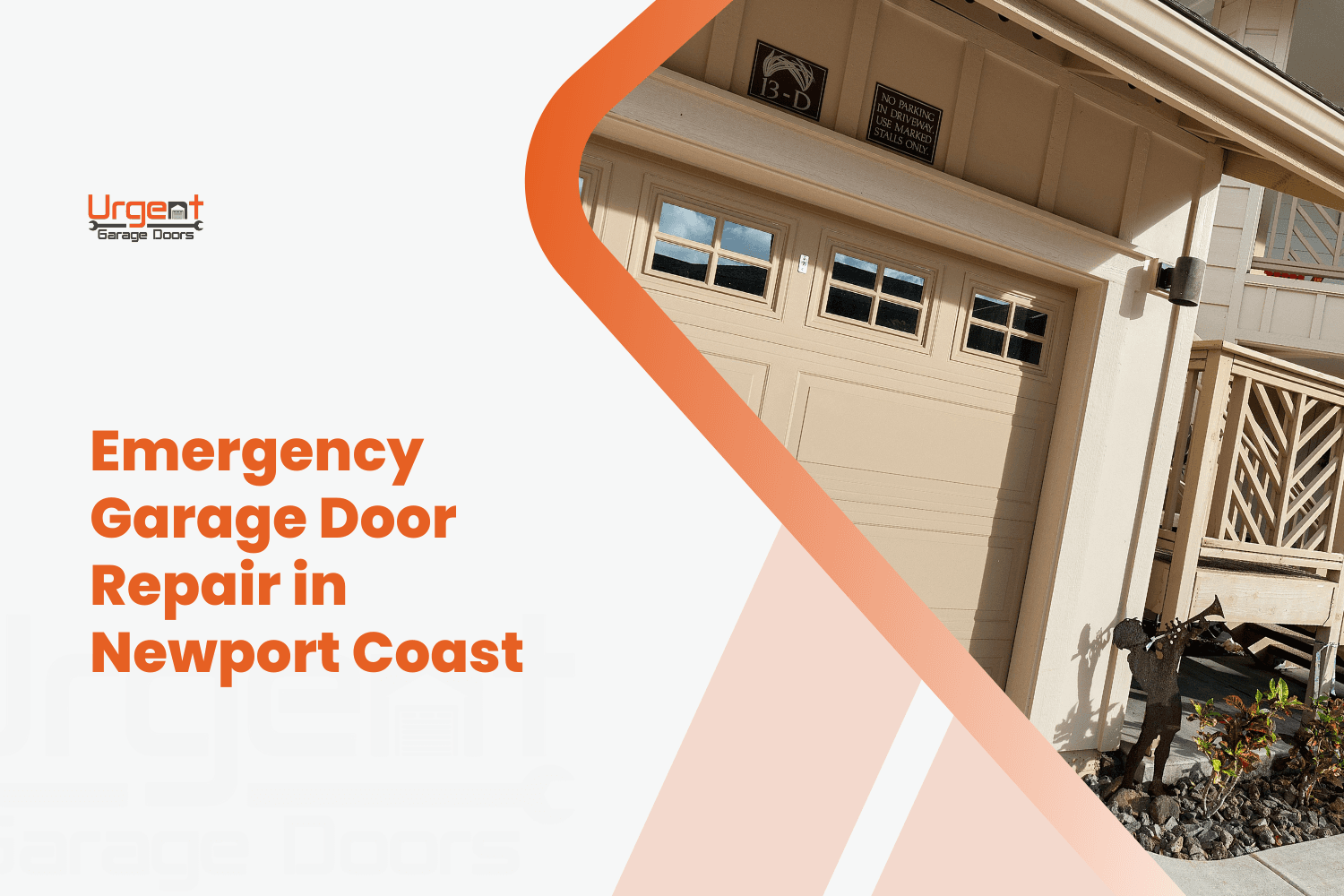
Emergency Garage Door Repair in Newport Coast: Same-Day Service for Pelican Hill and Crystal Cove
A local guide to emergency garage door repair in Newport Coast, covering common failures, same-day service for Pelican Hill and Crystal Cove, costs, and prevention.
Tips & Advice
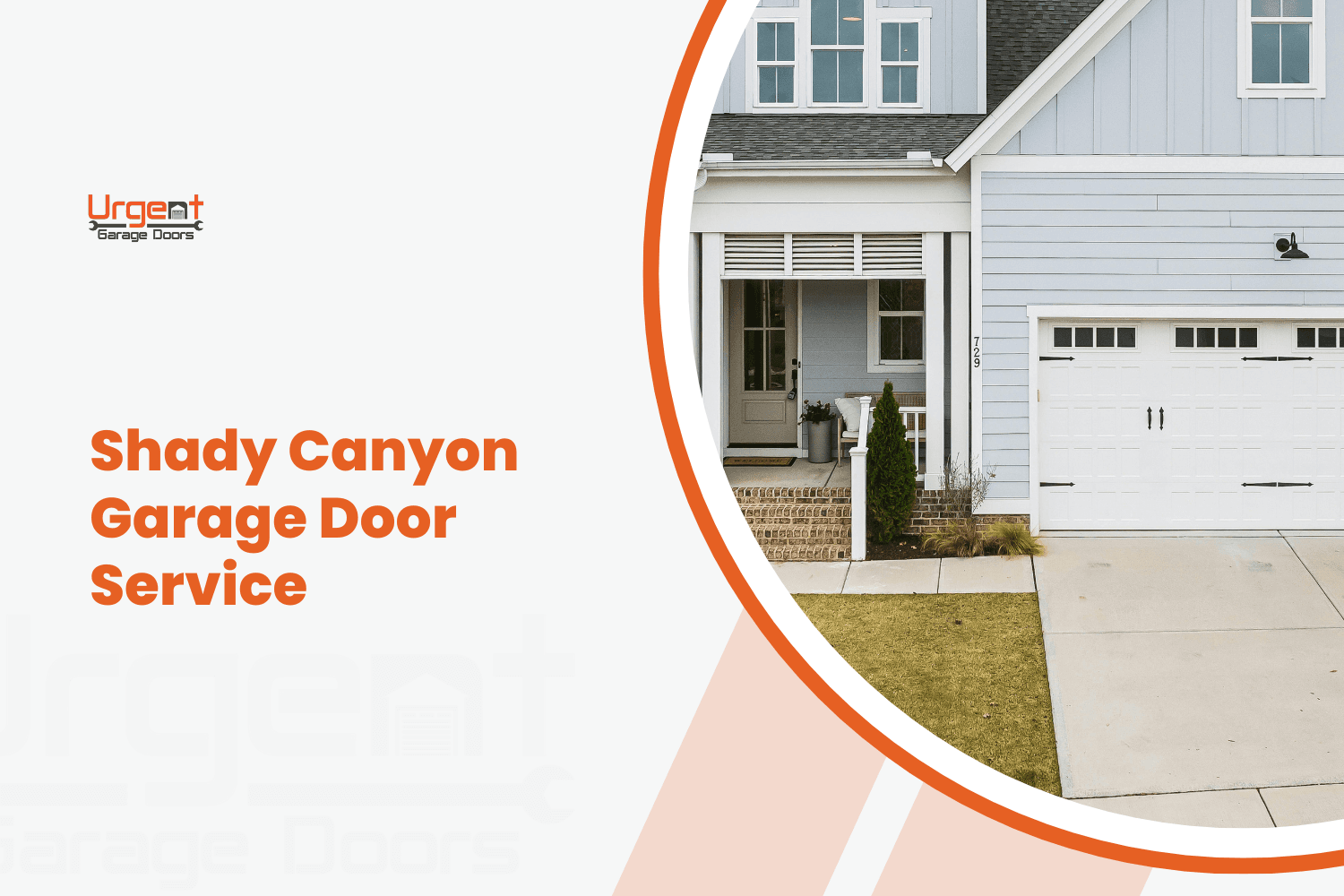
Shady Canyon Garage Door Service: Custom Estate Doors and Authorized Repair
A local expert guide to custom estate garage doors and authorized repair in Shady Canyon, covering materials, repairs, HOA rules, and maintenance for Irvine's heavy custom doors.
Tips & Advice
Turtle Rock Irvine Garage Door Repair: Why HOA Approval Affects Color and Style
Learn why Turtle Rock Irvine garage door repair often involves HOA approval, how color and style rules work, and how to stay compliant before you fix or replace your door.