Renter vs Landlord: Who Pays for Emergency Garage Door Repair in OC
Key Takeaways
- Landlords usually pay for garage door failures caused by normal wear and age, such as broken springs, frayed cables, and dead openers.
- Tenants typically pay when they caused the damage, like backing a car into the door or misusing the opener.
- California's implied warranty of habitability can make a door stuck open a landlord emergency because it leaves the home unsecured.
- Renters should document the damage, give written notice, and keep every invoice before paying for any repair.
- Repair and deduct is a legal option in California but has strict limits tied to habitability and notice.
- Common OC causes include salt-air rust near the coast, aging hardware in older communities, and inland heat warping panels.
- Emergency repairs run roughly 150 to 500 dollars, with after-hours surcharges of 50 to 150 dollars and full replacement much higher.
- Urgent Garage Doors provides same-day Orange County service with clear cause-of-failure invoices that settle who-pays disputes fairly.
In This Article
It is 11 p.m. in Woodbridge. A renter comes home, hits the remote, and the garage door groans halfway up before it stops with a loud bang. The car is stuck outside, the door will not close, and the whole garage sits wide open to the street. Now comes the question that sends people scrambling for their lease at midnight: who pays for this?
That question comes up more than people think across Orange County. Renters worry they will get stuck with a bill that should land on the property owner. Landlords worry a slow response could turn into a legal headache. Both sides deserve a clear answer.
Our team at Urgent Garage Doors handles these calls almost every week from Irvine out to the coast. This guide breaks down what counts as a true emergency, what California law says, and how both renters and landlords can handle a broken door fast without a fight over the invoice.
What Counts as an Emergency Garage Door Repair?
Not every garage door problem is an emergency. That difference matters, because the urgency of a repair often shapes who ends up paying and how fast someone has to act. A door that traps a car or leaves a home exposed is a different animal than a squeaky roller.
When our crew fields an emergency garage door repair call in Orange County, we sort it fast. Here is how we tell a real emergency from something that can wait a few days.
Broken Springs and a Door That Will Not Open
A snapped torsion spring is the number one emergency call we get in OC homes. The spring does the heavy lifting for the whole door, so when it breaks, the door often will not move at all. A tenant who parks inside can find their car completely trapped in the morning with no way out.
A broken torsion spring makes a sharp bang when it goes, almost like a gunshot in the garage. After that, the opener may strain and hum but the door stays put or only rises a few inches. Trying to force it can bend the tracks or burn out the motor.
A stuck garage door blocks daily life. People cannot get to work, cannot move their car, and cannot use the garage entry into the home. That is why we treat a broken torsion spring as same-day work almost every time.
These failures rarely come from anything the renter did. Springs wear out on a set life cycle, which points responsibility back to the property owner in most cases.
Doors Stuck Open Overnight and Security Risks
A door that will not close is an emergency for a different reason: safety. A garage door stuck open overnight leaves a direct path into the home. In neighborhoods like Woodbridge or Northwood, an open garage invites theft of bikes, tools, and anything else inside.
Home security is the real concern here, not just the door itself. Many OC homes have an interior door from the garage into the house, and it is often left unlocked. An open garage door removes the first layer of protection for the whole family.
We get a lot of late calls from renters who feel unsafe sleeping in a house that cannot be locked down. That fear is valid. A door stuck open counts as a true emergency and usually falls under the landlord's duty to keep the home secure.
When this happens, we can often secure the door manually the same night and finish the full repair the next day. Getting the home closed up fast is the first priority.
Damaged Panels, Cables, and Off-Track Doors
Sometimes a door comes off its tracks after a car bump or a snapped cable. An off-track garage door hangs crooked, drags, or jams partway. It can also fall if the remaining hardware gives out, which is a real injury risk.
A broken cable throws the whole door out of balance. One side may drop while the other holds, twisting the door in the opening. Running an off-track or broken-cable door can crush a panel or damage the opener, so we tell people to stop using it right away.
These problems often need same-day attention, especially if the door is stuck in a way that blocks the car or the entry. Our off-track garage door repair team can reset the door onto the tracks and replace failed hardware in one visit.
The cause matters for who pays. A cable that frayed from age is wear. A door knocked off track by a car backing into it is tenant-caused damage.
Cosmetic Issues That Can Wait
Plenty of garage door complaints are not emergencies at all. Scratches, faded paint, small dents, and a slightly noisy door do not require urgent service. The door still opens, closes, and locks, so the home stays usable and secure.
A cosmetic repair can wait for normal business hours and a scheduled visit. There is no reason to pay after-hours rates for a paint touch-up or a squeak. We would rather save people money than rush out for something minor.
That said, a noisy door can sometimes signal a worn roller or a loose part that is heading toward failure. It is worth a look during a routine tune-up, but it is a non-emergency in almost every case.
Knowing the difference helps both renters and landlords set the right expectations. It also keeps the after-hours fees for the times they are truly needed.
Get Your Free Quote
Tell us about your garage door and we'll get back to you within 30 to 60 minutes.
What California Law Says About Rental Repairs
California gives renters strong protections, and those rules reach into the garage more often than people expect. The core idea is that a rental has to be livable and safe. A garage door tied to security or home access can fall under that standard.
Here is a quick look at how responsibility usually breaks down under state law.
| Situation | Usually Pays | Why |
|---|---|---|
| Spring breaks from age | Landlord | Normal wear and tear |
| Cable frays over time | Landlord | Habitability and wear |
| Car backed into door | Tenant | Tenant-caused damage |
| Opener fails from age | Landlord | Mechanical wear |
| Remote lost or misused | Tenant | Renter responsibility |
| Door stuck open, security risk | Landlord | Warranty of habitability |
The Implied Warranty of Habitability
California law includes an implied warranty of habitability in every residential lease. It means a landlord must keep the rental in a safe and livable condition. This rule comes largely from California Civil Code 1941 and a long line of court decisions.
You can read the state's own guidance in the California Courts tenant resources. The warranty covers things like working locks, secure entry, and safe conditions. When a garage is attached to the home or provides secured entry, a failed door can cross into habitability territory.
A door that will not close leaves the home open and unsafe, which is a clear habitability problem. A door that traps a car is more of a convenience issue but still points to landlord duty when the cause is wear. The security angle is what pulls many garage repairs under this warranty.
Landlords cannot waive this warranty in the lease. Even a signed agreement that tries to dump all repairs on the tenant will not hold up for habitability items in California.
When a Garage Door Falls Under Landlord Duty
Most garage door failures come from age and normal wear, which makes them the owner's job. Springs, cables, rollers, and openers all have a set life span. When they wear out on their own, the landlord repair duty kicks in.
Normal wear and tear is the phrase that decides many of these cases. A spring rated for 10,000 cycles that snaps after years of daily use is textbook wear. The tenant did nothing wrong, so the tenant does not pay.
The same goes for an opener motor that dies from age or a cable that frays over time. These are mechanical failures the owner is expected to maintain. Our invoices note the cause so there is no guessing.
Landlords who keep up with maintenance see fewer of these surprises. A worn part caught early during a tune-up is cheaper than a midnight emergency call.
When a Tenant Becomes Responsible
The picture flips when the tenant caused the damage. Backing a car into the door, forcing a stuck door, or misusing the opener all point to renter liability. In those cases the tenant usually pays for the fix.
We see plenty of car-into-door damage across OC. A bent bottom panel or a door knocked off its tracks from a bumper strike is tenant-caused damage in most leases. The physical evidence usually tells the story.
Misuse counts too. Hanging heavy items on the door, disconnecting the safety system, or repeatedly running a door that is clearly broken can shift the cost to the renter. Damage that goes beyond normal wear is the tenant's responsibility.
This is why our honest cause-of-failure notes matter so much. They help both sides agree on whether the damage was wear or misuse without a shouting match.
How the Lease Agreement Changes Things
The lease can adjust the details, within limits. Some OC leases include a repair clause that makes the tenant handle small fixes under a set dollar amount. Others name a preferred repair company the tenant must call.
A lease agreement cannot override the warranty of habitability, but it can clarify gray areas. It might spell out who handles the garage door opener remotes or who covers minor tune-ups. Reading these clauses before signing saves headaches later.
Some leases require the tenant to report problems within a certain window. Miss that window, and a tenant might lose some remedies. Both sides should keep a copy handy and know what it says about repairs.
When the lease is silent, state law fills the gap. That usually means the landlord covers wear and the tenant covers damage they caused.
Need Help in Irvine?
Urgent Garage Doors serves Irvine and all of Orange County.
Common Causes of Garage Door Failures in Orange County Rentals
Figuring out fault gets easier once you know why doors break here. Orange County has its own mix of coastal air, inland heat, and aging homes. Each of these garage door failure causes leaves clues about whether wear or misuse is to blame.
After working on hundreds of Orange County rentals, our team sees the same patterns by area. Here is what actually breaks doors around the county.
Coastal Air and Rust Near the Beach Cities
Salt air is rough on metal. Near Newport Beach and Huntington Beach, that ocean moisture eats away at springs, cables, and rollers over time. We see more rust-related failures on the coast than anywhere else in OC.
Coastal rust weakens a spring from the inside, so it snaps sooner than a spring inland would. Cables corrode and fray. On streets near the Balboa Peninsula, we replace salt-worn hardware regularly.
This kind of corrosion is textbook normal wear. No tenant caused the ocean air, so these failures land on the landlord. Homes in Seacliff and other beach neighborhoods deal with this year-round.
The fix is stainless or coated hardware plus regular maintenance. Owners with rentals near the water save money by planning for salt air instead of reacting to it.
Aging Doors in Older Communities
Older homes wear out hardware simply from age. Near Santa Ana and the original Irvine villages, we find doors with original springs and openers that are decades old. Worn hardware fails no matter how careful the tenant is.
An aging garage door often has springs at the end of their cycle life, dry rollers, and a motor that is on its last legs. These parts do not last forever. When they give out, it is wear, not abuse.
We service a lot of these older properties across Santa Ana and the mature Irvine neighborhoods. The repairs are clearly the owner's responsibility because the parts simply reached their limit.
Landlords with older rentals benefit from upgrading tired hardware before it fails at the worst moment. A planned replacement beats an emergency every time.
Heat, Sun, and Warped Panels Inland
Inland OC gets hot. In Tustin and Orange, summer heat bakes garage doors day after day. That heat damage can warp panels and dry out the rubber weather seals along the bottom.
Warped panels stop a door from sitting square in the opening. The door may bind, stick, or leave gaps. Dried seals let in dust, water, and pests, which tenants notice fast.
Sun exposure also fades and cracks door surfaces over the years. In neighborhoods around Old Town Tustin, we see this heat wear on plenty of rentals. It is age and climate, so it points back to the owner.
A weatherseal retrofit and insulated panels help doors survive inland heat. These upgrades cut down on emergency calls when the temperature climbs.
Everyday Wear From Daily Use
Every garage door has a life span measured in cycles. A door that opens and closes six or eight times a day adds up fast. That daily wear grinds down openers, springs, and sensors regardless of the neighborhood.
A busy family cycling the door constantly will wear out parts sooner than a single tenant who rarely uses it. Opener failure often comes from years of steady use. Springs snap after they hit their rated cycle count.
Safety sensors drift out of alignment and stop working over time. None of this is misuse. It is the normal result of a door doing its job day after day.
Because daily wear is expected, these repairs sit with the landlord. Routine maintenance catches worn parts before they fail and turn into a late-night call.
Steps a Renter Should Take Before Paying Anything
A renter should never rush to pay for a repair that might be the landlord's job. A few smart moves protect the tenant and often get the door fixed at no cost to them. Here is the renter steps playbook we share with tenants who call us.
Handling garage door repair responsibility the right way starts before anyone swipes a card.
Document the Damage Right Away
The first move is to document the damage. Take clear photos and a short video of the broken door, the failed part, and anything around it. Note the date, the time, and what happened right before it failed.
This repair evidence protects the tenant. If a spring snapped on its own, photos show there was no car strike or misuse. That record makes it far harder for anyone to blame the renter later.
Capture the whole scene, not just a close-up. Show the car position, the garage interior, and the door from a few angles. Good documentation settles disputes before they start.
Save these files somewhere safe, like a phone album or email to yourself. They may matter weeks later during a reimbursement talk.
Notify the Landlord or Property Manager in Writing
Next, send written notice to the landlord or property manager. A text or email works because it creates a time-stamped record. That written notice starts the clock on the owner's duty to respond.
Describe the problem plainly and attach the photos. State that the door will not close, traps the car, or leaves the home unsecured. Ask for a repair and keep the message factual.
A phone call alone leaves no paper trail. If the owner delays, written proof of when the tenant reported the issue matters a lot. It shows the tenant acted responsibly and gave notice.
For security emergencies, note that the home is exposed and ask for a fast response. That urgency is relevant under habitability rules.
Understand the Right to Repair and Deduct
California gives renters a repair and deduct option in some cases. If the landlord fails to fix a habitability problem after proper notice, the tenant can pay for the repair and subtract the cost from rent. This tenant remedy has strict limits.
The deduction generally cannot exceed one month's rent, and it can only be used a couple of times a year. The problem must affect habitability, and the tenant must give reasonable notice first. The California Courts self-help pages explain the details.
A door stuck open that leaves the home unsafe can qualify. A cosmetic scratch does not. Using this remedy wrong can put a tenant in a bad spot, so it pays to know the rules.
When a tenant uses repair and deduct, a clear invoice from a licensed company is a must. That documentation backs up the deduction.
Keep Every Receipt and Invoice
Whatever a tenant pays, they should keep every receipt and invoice. A repair receipt proves what was done, what it cost, and why. That paper is the ticket to reimbursement or a proper rent deduction.
Our invoices spell out the cause of failure, which helps a tenant show the damage was wear, not misuse. That detail supports a reimbursement request to the landlord. Vague receipts leave room for argument.
Store the invoice with the photos and the written notice. Together they build a clean record of the whole event. If a dispute reaches small claims court, that file does the heavy lifting.
Even when the landlord pays directly, a tenant should ask for a copy of the invoice for their records.
Steps a Landlord Should Take to Handle It Fast
Landlords who move fast on garage door emergencies avoid bigger costs and legal trouble. A quick, fair response keeps tenants safe and keeps disputes small. Here are the landlord steps that keep an emergency response under control.
Speed and fairness go hand in hand when a tenant reports a broken door.
Respond Quickly to Avoid Legal Trouble
A fast response is the owner's best protection. When a tenant reports a security-related door failure, delay can lead to a habitability claim. It can also open the door to repair and deduct, where the tenant controls the choice of company.
Acting quickly keeps the landlord in charge of the repair and the cost. It also builds trust with a good tenant. A door stuck open is not something to sit on for a week.
Even if the cause turns out to be tenant damage, responding fast still matters. The owner can address the safety issue first and sort out the bill after. Security comes before the fault question.
Ignoring a real emergency is the most expensive move a landlord can make. It risks legal exposure and a much larger repair.
Determine the Cause Before Assigning Blame
Before charging a tenant, have a technician inspect the door. A cause inspection reveals whether the failure came from wear or misuse. Guessing wrong can spark a fight or a legal complaint.
Our techs can tell a spring that died from age from a door knocked off track by a car. We note the finding on the invoice. That neutral read helps assign fault fairly.
Charging a tenant for normal wear is not allowed and damages the relationship. Charging for real damage they caused is fair. The inspection is what separates the two.
Owners who let a professional make the call avoid disputes. The evidence speaks for itself.
Keep a Trusted Local Repair Contact
Every OC landlord should have a trusted local repair contact on speed dial. When a door fails at 10 p.m., a standing relationship with an Irvine-based team means fast help. After-hours service matters most during an emergency.
We work with many property owners across Orange County who call us first. They know we answer, we show up, and we document the cause. That reliability is worth a lot when a tenant is stressed.
Our 24/7 emergency garage door repair covers late nights and weekends. A landlord with a set contact skips the scramble to find someone at midnight.
Building that relationship before an emergency pays off when one hits. The owner already knows who to call and what it will cost.
Set Up Preventive Maintenance
The best emergency is the one that never happens. Preventive maintenance catches worn springs, frayed cables, and drifting sensors before they fail. Routine tune-ups cut down on midnight calls and disputes.
A yearly tune-up on each rental door is cheap insurance. We check balance, lubricate parts, test the safety system, and flag hardware near the end of its life. Small fixes now prevent big failures later.
Our preventive maintenance plan is popular with landlords who own several OC rentals. It keeps doors running and reduces the odds of a wear-versus-damage argument.
Documented maintenance also helps an owner prove the door was cared for. That record supports the case that a failure was normal wear.
Need Help in Irvine?
Urgent Garage Doors serves Irvine and all of Orange County.
What Emergency Garage Door Repair Costs in OC
Both renters and landlords want to know the numbers before a tech arrives. Garage door repair cost varies by the part and the time of day. Here are honest emergency service price ranges we see across Orange County.
These figures give a ballpark so no one is caught off guard.
Spring and Cable Replacement Prices
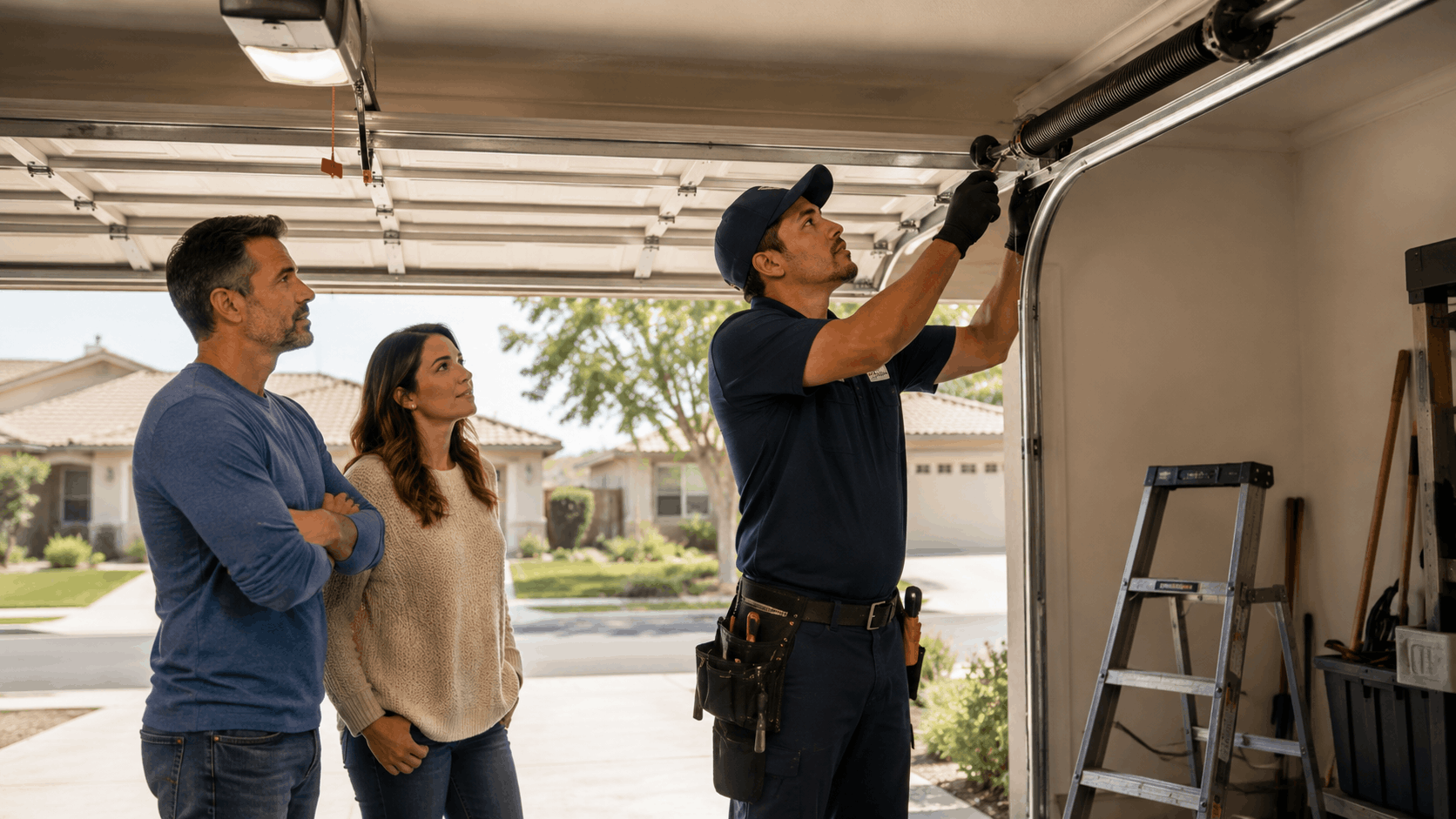
Spring and cable work is a common emergency fix in OC homes. A single torsion spring replacement often runs from about 200 to 350 dollars including parts and labor. Replacing both springs at once usually lands in the 300 to 500 dollar range.
Cable replacement is often lower, roughly 150 to 300 dollars depending on the door and hardware. Doing both springs together is smart because they wear at the same rate. Replacing one when the other is worn just invites a second call.
Coastal homes with rusted hardware may cost a bit more due to added corrosion work. Our spring and cable repair pricing is flat and explained up front. No surprise add-ons after the work is done.
These are wear items in most cases, which usually places the cost on the landlord.
After-Hours and Weekend Fees
Timing affects the bill. Late-night, holiday, and weekend service often carry an after-hours fee on top of the repair. That surcharge can run from about 50 to 150 dollars depending on the hour.
Weekend service and 2 a.m. calls cost more because a tech leaves home to help right away. That premium is normal across the industry. It reflects the speed and off-hours response.
Who covers the surcharge depends on fault. If the failure is landlord-responsible wear, the owner covers the after-hours fee. If the tenant caused the damage, the renter usually picks it up.
Sometimes a door can be secured overnight and fully repaired the next day to skip the surcharge. We help both sides weigh that choice.
Opener and Sensor Repair Costs
Opener and sensor problems are common too. An opener repair for a worn gear or circuit board often runs 150 to 350 dollars. A full opener replacement typically lands between 350 and 600 dollars with installation.
Sensor repair or realignment is usually cheaper, often 85 to 200 dollars. The safety sensors at the base of the door keep it from closing on people or pets, so they matter. A misaligned sensor can stop the door from working at all.
Our opener repair and troubleshooting team diagnoses the real problem before quoting a full swap. Sometimes a simple fix beats a replacement. We tell people the truth either way.
Opener failures from age are wear, which usually points to the owner for a rental.
Full Door and Panel Replacement
Sometimes a door is beyond repair. After a bad car strike or years of damage, a full door replacement may be the only option. A new door installed typically runs from about 1,000 to 3,500 dollars depending on style and material.
A single panel replacement is cheaper when only one section is damaged. That often runs 250 to 700 dollars. Matching the existing door color and style can affect the price, especially in HOA communities.
Our panel replacement service saves money when the rest of the door is sound. A full swap only makes sense when repair no longer holds up.
When a tenant backs into the door hard enough to require replacement, that cost usually falls on the renter.
How HOA Rules and OC Communities Affect Repairs
Orange County is full of HOA communities, and their rules can shape a garage door repair. HOA rules may control the door's look, and sometimes even who handles certain parts. Sorting this out early keeps a repair from stalling.
Here is how HOAs factor into garage door repair OC across planned neighborhoods.
HOA Approval for Door Appearance
Many OC communities require garage doors to match a set color and style. In Woodbridge and Turtle Rock, HOA approval is often needed before a door's appearance changes. That includes color, panel style, and window design.
This matters most for panel or full door replacement. A tenant or landlord cannot just install any door they like. The new door has to fit the community's approved look.
For a mechanical fix like a spring or cable, appearance rules usually do not apply. Those parts are hidden. It is the visible replacement work that triggers HOA review, which we plan for in neighborhoods like Turtle Rock.
We help owners choose doors that meet HOA standards so approval goes smoothly.
Who Handles Exterior Versus Mechanical Parts
Some HOAs cover exterior items while owners handle the rest. The split usually puts the visible door surface or facade under the HOA and the mechanical parts under the owner. That line decides who pays for what.
In most single-family OC rentals, the owner handles the whole garage door including springs, cables, and opener. In some condo or townhome setups, the HOA may cover exterior repair while the owner covers mechanical parts. The governing documents spell it out.
Reading the HOA rules avoids double-paying or delays. An owner should know whether the association covers the door skin or not before scheduling. When in doubt, ask the HOA management in writing.
Our invoices separate mechanical work from any exterior replacement, which helps sort HOA versus owner costs.
Getting Repairs Approved in Master-Planned Villages
Master-planned villages have their own approval steps. Near the Great Park and Portola Springs, planned communities often require a form or architectural review for visible repairs. That can add a few days to a non-urgent job.
For emergencies, most HOAs allow a temporary fix to secure the home first. The permanent, appearance-matching repair follows once approval clears. Safety does not wait on paperwork.
We work in these newer villages often, including around Portola Springs. We know which fixes need approval and which do not. That saves owners from a violation notice.
Planning the approval step into the repair timeline keeps everyone on the same page.
Working With Property Managers and HOAs Together
The smoothest repairs happen when everyone coordinates. A landlord, a tenant, a property manager, and the HOA all have a role. Good HOA coordination gets the door fixed without finger-pointing.
We often talk directly with property managers to schedule access and confirm scope. That keeps the tenant from being stuck in the middle. Clear communication moves the job along.
When a repair needs HOA sign-off, the property manager usually handles that paperwork. The tenant provides access, and the owner approves the cost. Each party plays a clear part.
Our team is used to juggling these calls. We keep everyone informed so the door gets fixed and no one is surprised by the bill.
Need Help in Irvine?
Urgent Garage Doors serves Irvine and all of Orange County.
How Urgent Garage Doors Helps OC Renters and Landlords
Both renters and landlords need a repair team that plays fair. Urgent Garage Doors serves both sides with fast, honest work across Orange County. Our Irvine garage door repair crew treats every call the same way: fix it right and document the cause.
Here is how we help tenants and owners settle these situations quickly.
Same-Day Service Across Orange County
We offer same-day service from our Irvine base out to Tustin, Costa Mesa, and the coast. When a door traps a car or will not close, we move fast. Quick response times keep a small problem from becoming a big one.
Our Orange County coverage reaches inland heat zones and salt-air beach cities alike. We know the drive times and the common problems in each area. That local knowledge speeds up every visit.
A tenant stuck at night and a landlord miles away both benefit from a crew that shows up quickly. Our same-day garage door repair keeps homes secure. Fast help is the whole point of an emergency service.
We cover the county so no one waits days for a broken door.
Clear Invoices That Settle Disputes
Our invoices do more than list a price. Each one includes a detailed cause of failure so renters and landlords can see what happened. That clarity settles most who-pays disputes on the spot.
A detailed invoice noting a spring that failed from age tells everyone it was wear. An invoice noting a bent panel from a vehicle strike tells a different story. Either way, the record is neutral and clear.
This paperwork helps a tenant seek reimbursement and helps a landlord justify a fair charge. No one has to take anyone's word for it. The invoice does the talking.
We write these notes plainly so both sides understand them without a translator.
Honest Assessments of Wear vs Damage
Our techs give an honest assessment of every failure. We identify whether a door broke from age or from misuse without taking sides. The evidence guides the call, not who is paying.
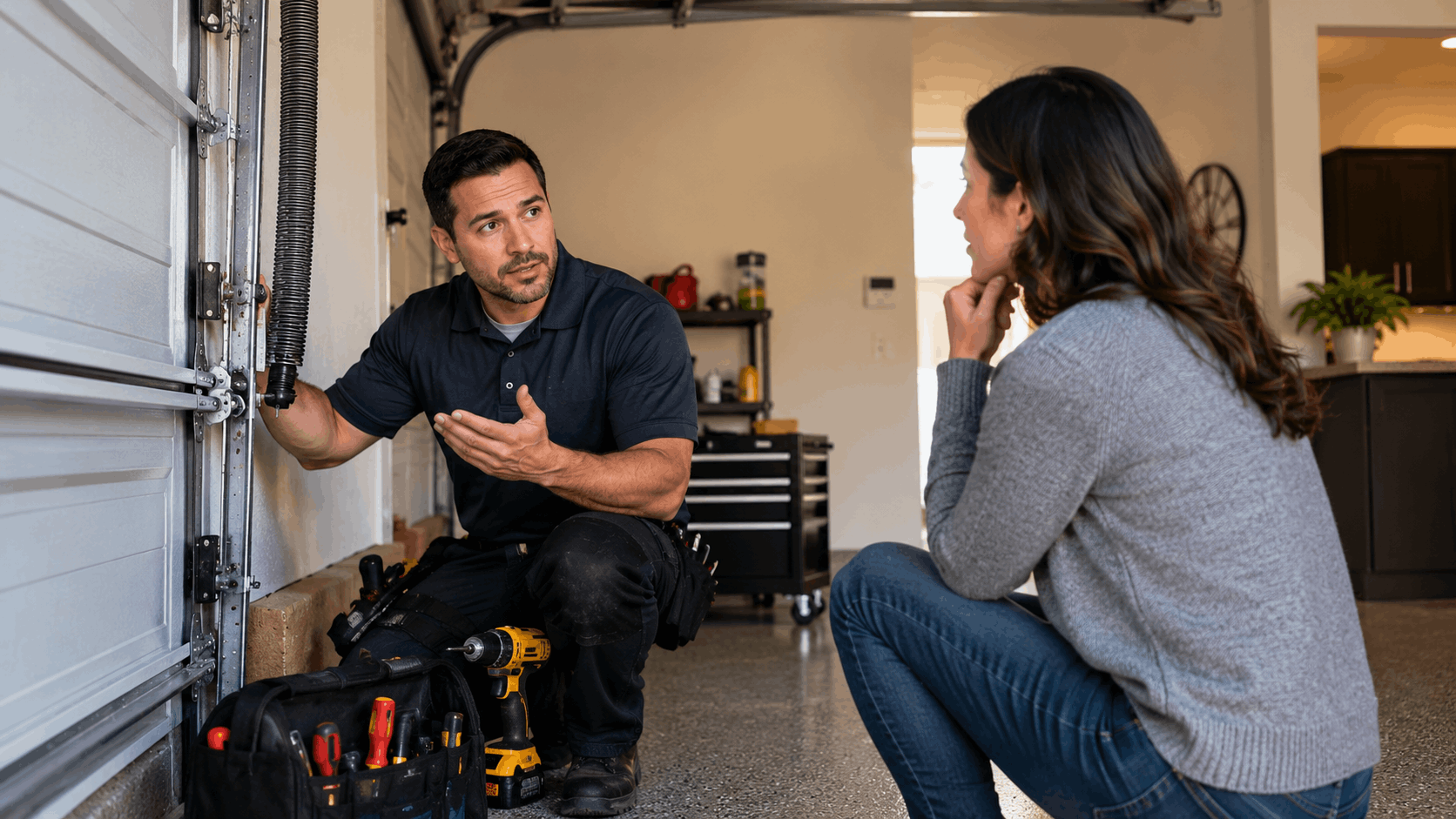
Telling wear from damage is a skill built over hundreds of repairs. A frayed cable looks different from a snapped one. A worn spring looks different from a bent panel. We read the signs and report them straight.
This neutral wear vs damage read protects both parties. A tenant is not blamed for age, and a landlord is not stuck with the bill for real damage. Fairness keeps everyone coming back.
We would rather give an honest answer than an easy one. That trust is why property managers call us first.
Maintenance Plans for Rental Properties
Prevention beats emergencies, so we offer maintenance plans built for rentals. Regular tune-ups on a rental property catch worn parts before they fail. Fewer emergencies mean fewer disputes and lower costs.
Landlords with several OC properties like knowing each door gets a yearly check. We lubricate, balance, and test the safety system on every visit. Worn hardware gets flagged before it strands a tenant.
A documented maintenance history also supports an owner's case that a failure was wear. Our maintenance and upgrades service keeps rental doors reliable. That reliability keeps tenants happy and owners out of court.
Ask us about a plan that fits the size of your rental portfolio.
Final Thoughts
The who-pays question usually comes down to one thing: was it wear or was it damage. Wear and age point to the landlord. Damage the tenant caused points to the renter. California's habitability rules and the lease fill in the rest.
Both sides do better when they act fast, document everything, and lean on an honest repair team. A secure home comes first, and the bill sorts out from there. Our crew at Urgent Garage Doors handles both the fix and the paperwork that settles the question.
If you are a renter or landlord in Orange County facing a broken garage door, contact our team for fast, fair emergency service. We serve Irvine and the surrounding cities every day, and we tell you the truth about what failed and why.
Frequently Asked Questions
- Does the landlord always pay for garage door repair in California?
- Not always, but usually for normal wear. In California, landlords must keep a rental safe and livable, so age-related failures like worn springs, frayed cables, and dead openers are their responsibility. The exception is tenant-caused damage. If a renter backs a car into the door or misuses the opener, the tenant typically pays. The cause of the failure decides who is on the hook.
- Can a renter be charged for a broken garage door spring?
- Generally no, if the spring broke from age. Torsion springs have a set cycle life and wear out on their own after years of use. A spring that snapped without any car strike or misuse is normal wear, which makes it the landlord's cost. A renter should only face a charge if they somehow caused the spring to fail, which is rare. Photos of the break help prove it was wear.
- What if the tenant backed a car into the garage door?
- That is tenant-caused damage, so the renter is usually responsible. Backing into the door bends panels or knocks it off track, and the evidence is easy to spot. This kind of damage goes beyond normal wear and tear, which puts the repair cost on the tenant. Renters insurance may help cover it in some cases. Our invoice notes the cause so both sides see the same facts.
- How fast must a landlord fix a garage door in OC?
- The law asks for a reasonable time, and security emergencies demand speed. A door stuck open that leaves the home exposed should be addressed within a day, sometimes the same night. A door that only traps a car allows a bit more time but still needs prompt action. Delaying a real security issue can expose the landlord to habitability claims and tenant remedies. Fast response protects the owner.
- Can a renter use repair and deduct for a garage door?
- Yes, under specific conditions. If the problem affects habitability, like a door that will not close and secure the home, and the landlord fails to fix it after proper notice, the tenant can pay and deduct the cost from rent. The deduction generally cannot exceed one month's rent and can only be used a limited number of times per year. A licensed company's invoice is needed to back it up.
- What counts as an emergency garage door repair?
- An emergency is anything that threatens safety, security, or access. A door stuck open leaves the home exposed. A door that will not open can trap a car and block entry. Off-track doors and snapped cables can fall and injure someone. These all qualify for urgent, same-day service. Cosmetic issues like scratches, faded paint, or a slight squeak are not emergencies and can wait for a scheduled visit.
- How much does emergency garage door repair cost in Orange County?
- Common emergency repairs run from about 150 to 500 dollars, depending on the part. Single spring replacement is often 200 to 350 dollars, and cable work runs 150 to 300 dollars. After-hours, weekend, and holiday calls add a surcharge of roughly 50 to 150 dollars. Full door replacement costs much more, from 1,000 to 3,500 dollars. We give flat pricing up front so there are no surprises after the work.
- Does the HOA cover garage door repairs?
- Sometimes, but usually only exterior items. In many OC communities the HOA controls door appearance and may cover the visible facade, while the owner handles mechanical parts like springs, cables, and openers. In most single-family rentals, the owner covers the whole door. Condo and townhome setups vary, so the governing documents decide. Always check the HOA rules before scheduling a visible replacement to avoid a violation.
- Who calls the repair company, the renter or the landlord?
- It depends on the lease and the situation. Many leases require the tenant to report problems to the landlord or property manager, who then schedules the repair. Some leases let the tenant call a named company directly. For a security emergency, the tenant may call for immediate help and notify the owner right away. Clear communication and the lease terms decide who schedules service. When in doubt, notify the owner in writing first.
- Does renters insurance cover garage door damage?
- It can, in certain cases. Renters insurance may cover damage the tenant caused or damage from a covered event, depending on the policy. It usually does not cover normal wear or the landlord's property maintenance duties. If a tenant backed into the door, their liability coverage might help. Renters should review their policy and talk to their agent to see what applies before assuming anything.
Licensed garage door repair professionals serving Irvine and Orange County.
Licensed in California · License #1055150
Why trust Urgent Garage Doors?
Founded in 2017, Urgent Garage Doors is a licensed and insured garage door services serving Irvine and Orange County. All content is reviewed by our licensed technicians.

Need Help in Irvine?
Urgent Garage Doors serves Irvine and all of Orange County.
Related Articles
Coto de Caza Garage Door Repair: Custom Estate Doors and Emergency Service
Skilled garage door repair for Coto de Caza estates - custom wood door restoration, emergency service through the gate, spring and opener replacement, and local maintenance.

Emergency Garage Door Repair in Irvine Villages: Gate Codes, Association Quiet Hours, and Our Protocol
How Urgent Garage Doors handles emergency garage door repair in Irvine's gated villages, from gate codes and guard lists to HOA quiet hours and our step-by-step repair protocol.
Emergency Garage Door Repair in Newport Coast: Same-Day Service for Pelican Hill and Crystal Cove
A local guide to emergency garage door repair in Newport Coast, covering common failures, same-day service for Pelican Hill and Crystal Cove, costs, and prevention.