Keypad and Remote Programming: Rolling Codes, Lost Remotes, and Locking Out Old Ones After a Move
Key Takeaways
- Rolling codes change with every press, blocking code grabbers that easily copy older fixed-code openers found in many older Irvine homes.
- Programming a remote or keypad follows the same handshake: press the learn button on the motor, then press the remote or enter a PIN within about 30 seconds.
- New homeowners should do a full opener memory wipe during the first week to lock out remotes held by sellers, agents, contractors, or old tenants.
- A lost remote in a stolen car is a serious risk since the car registration lists your home address, so clear the opener memory right away.
- Choose keypad PINs unrelated to birthdays or addresses, use temporary codes for service workers, and shield keypads from Irvine fog and sun.
- Common issues like short range, dead keypads, and pairing failures usually trace back to weak batteries, LED bulb noise, or full opener memory.
- Upgrade an old opener when it uses fixed codes, lacks app control, or needs frequent repairs, with smart MyQ systems adding remote lockout and alerts.
In This Article
Moving into a new home near Woodbridge Village or the tree-lined streets of Northwood comes with a long list of things to check. New keys, updated locks, maybe a fresh coat of paint. One thing most buyers forget until later that first night is the garage. The previous owners, their kids, a painter, or an old tenant may all still have a working remote sitting in a drawer somewhere. That thought keeps a lot of new Irvine homeowners up at night, and for good reason.
A garage door is often the largest and least secure entry point on a house. If an old remote still opens it, the front door lock hardly matters. The good news is that fixing this is straightforward once someone knows what to look for.
Our team at Urgent Garage Doors handles these calls across Irvine every week, so this comes straight from the field.
How Rolling Code Technology Keeps a Garage Secure?
Older garage remotes used a single code that never changed. Anyone with a cheap scanner parked on the street could grab that code and replay it later. Rolling code technology closed that door. It is the biggest jump in garage door security in the last thirty years.
Here is why rolling codes matter for any home in Irvine:
- The code changes every single time the remote is pressed
- A grabbed code becomes useless within one button press
- Modern opener technology pairs the remote and motor with a shared secret sequence
- Fixed-code copiers simply cannot keep up with the moving target
If a home still runs an older fixed-code opener, upgrading to a rolling code system is one of the smartest security moves a homeowner can make.
What a Rolling Code Actually Does
A rolling code works like a one-time password that resets after every use. When someone presses the remote, both the remote and the motor unit calculate the next number in a long, shared sequence. The door only opens if the two numbers match. Then both sides advance to the next code and throw the old one away.
This is what blocks a code grabber. A thief can record the signal from the driveway, but by the time they try to replay it, the opener has already moved on to a new code. The recorded signal is dead weight.
The sequence is generated using an encryption algorithm with billions of possible combinations. Guessing the next code by chance is not realistic. That math is why rolling code openers have held up so well against modern theft tools.
Even if a remote falls a few presses out of sync, the opener uses a small forward window to catch back up automatically. Homeowners rarely notice this happening. The system just works quietly in the background every time the door goes up.
Fixed-Code Openers Still Found in Older Irvine Homes
Plenty of homes around El Camino Real and University Park still run fixed-code openers from the 1990s. These units use dip switches, which are tiny sliding pins inside the remote and motor. Both must match for the door to open, and that combination never changes.
The problem is that a fixed code opener can be copied in seconds. A basic universal remote or code grabber captures the signal once and replays it forever. For a busy street near a school zone or park, that is a real exposure.
We see these older units a lot during move-in inspections. They still work, which is why owners keep them, but working is not the same as safe. A door that opens with a copied signal offers no real barrier.
If a home has a motor unit older than roughly 2005, there is a strong chance it uses fixed codes. Replacing it with a rolling code model closes a gap that no amount of remote reprogramming can fix. Our team can confirm what type an opener uses during a quick visit.
Which Brands Use Rolling Codes
Most major brands adopted rolling codes years ago, though each uses its own name for the feature. LiftMaster and Chamberlain call theirs Security+ and Security+ 2.0. Genie uses the name Intellicode. Craftsman units, which were often rebranded Chamberlain motors, also use rolling code protection.
LiftMaster Security+ is a common system we find in newer Irvine builds, especially across Great Park neighborhoods and Cypress Village. These homes came with modern openers from day one. Genie Intellicode shows up often in homes built or remodeled in the 2000s.
Knowing the brand helps a lot when it comes time to buy a compatible remote or keypad. A LiftMaster remote will not talk to a Genie motor, and vice versa. Matching the brand and the rolling code system is the first step in any programming job.
When in doubt, the brand name and model are usually printed on the back or side of the motor unit. Snapping a photo of that label saves time when ordering parts or calling for service. Our keypad and remote programming team can identify almost any unit from that label alone.
How to Tell If an Opener Has Rolling Codes
The fastest check is the color of the learn button on the motor unit. On LiftMaster and Chamberlain models, a yellow, orange, red, or purple learn button usually signals a rolling code system. A green or gray button often points to an older fixed-code unit.
Opener age is the other big clue. A quick look at the manufacture date stamped on the motor housing tells the story. Anything made after roughly 2006 almost certainly uses rolling codes, while much older units may not.
Genie openers follow a similar pattern with their own button colors and labels. If the unit says Intellicode anywhere on the housing, it has rolling code protection built in. The manual, if it is still in a kitchen drawer, spells this out clearly too.
If the color and date leave any doubt, a professional can confirm it in minutes. We check this on nearly every service call because it changes what remotes and keypads will work. It also tells a new homeowner whether an upgrade should be on the short list.
Get Your Free Quote
Tell us about your garage door and we'll get back to you within 30 to 60 minutes.
Programming a New Remote Step by Step
Programming a new remote sounds intimidating, but the core process is simple once someone knows the pattern. Nearly every rolling code opener uses the same basic idea: press the learn button, then press the remote, and the two shake hands. The exact timing and button locations change by brand.
Here is a general look at how the main brands handle remote programming:
| Brand | Learn Button Location | Pairing Window |
|---|---|---|
| LiftMaster / Chamberlain | Rear or side of motor, near antenna | About 30 seconds |
| Genie | Top or side panel of motor | About 30 seconds |
| Craftsman | Back of motor unit | About 30 seconds |
The steps below cover the common cases, from finding the button to pairing a car opener.
Finding the Learn Button on the Motor Unit
The learn button lives on the motor unit hanging from the garage ceiling, not on the wall control. On most LiftMaster and Chamberlain models it sits near the antenna wire, sometimes hidden behind a light lens cover that pops off. A short step ladder usually makes it easy to reach.
The button itself is often small and colored. That color matters, since it hints at the rolling code system as described earlier. Right next to it, a small LED light flashes or glows during programming to confirm the unit is listening.
Genie units place the learn button on the top or side of the motor housing. Some newer models tuck it behind a panel, so a gentle look around the housing is worth the effort. The owner manual, if available, points right to it.
Pressing the button once starts the programming mode. Holding it too long can trigger a full memory wipe on some models, so a quick, firm press is all it takes to begin. We always tell homeowners to press briefly first and watch the LED before doing anything else.
Pairing a Handheld Remote
The pairing sequence is a timed dance between two buttons. First, press and release the learn button on the motor. The LED will light up, meaning the opener is ready to accept a new device for about 30 seconds.
Within that window, press the button on the handheld remote once, wait a moment, then press it again if the manual calls for it. The motor light will blink or the unit will click to confirm the remote is now paired. Test it by pressing the remote from inside the garage.
A common mistake is waiting too long after pressing the learn button. If the 30-second window closes, the opener drops out of programming mode and nothing happens. Simply start over and move a little more quickly.
Another frequent slip is holding the remote button down instead of pressing and releasing. Most systems want clean, separate presses. If a remote still refuses to pair after a few clean tries, the battery or frequency may be the real issue.
Programming a Car HomeLink Button
Many newer cars around Great Park and Cypress Village come with HomeLink buttons built into the visor or dash. This in-car opener replaces the clip-on remote entirely once it is programmed. The setup mirrors the handheld process with one extra step.
Start by holding the HomeLink button until it starts flashing, then hold the working handheld remote up to the visor and press it until the HomeLink light changes to a steady glow. On rolling code systems, a third step is required. Someone must go to the motor unit, press the learn button, then return and press the HomeLink button a couple of times.
That trip to the ladder trips up a lot of drivers. Rolling code openers need that learn button press to accept the HomeLink signal, so skipping it means the button never works. Two people make this job much easier, one at the car and one at the motor.
Some electric and luxury models use a slightly different HomeLink app or menu instead of physical buttons. The idea stays the same, and the car manual spells out the exact taps. Once programmed, drivers can leave the clip-on remote at home for good.
When a Remote Will Not Program
When a remote refuses to pair, the battery is the first suspect. A weak coin cell can send a signal strong enough to test at the bench but too weak to program from a distance. Swapping in a fresh battery clears up a surprising number of these calls.
Frequency mismatch is the next culprit. An old 315 MHz remote will never talk to a newer 390 MHz opener, no matter how many times someone presses the buttons. The remote and motor have to share the same frequency and rolling code family.
A full memory bank can also block programming. Most openers hold a limited number of devices, and once that opener memory fills up, new remotes have nowhere to land. Clearing the memory and re-pairing everything solves it.
If fresh batteries, a matching remote, and open memory still do not work, the receiver board inside the motor may be failing. That is the point to call for help. Our opener repair and troubleshooting team can sort out remote troubleshooting fast and confirm whether the unit needs a repair.
Need Help in Irvine?
Urgent Garage Doors serves Irvine and all of Orange County.
Setting Up and Managing a Wireless Keypad
A wireless keypad mounts outside the garage and lets anyone in with a PIN instead of a remote. Families across Irvine love them for a simple reason. Kids can get in after school, joggers can leave the remote at home, and nobody gets locked out because a remote died.
Keyless entry also cuts down on hidden spare keys under doormats, which are the first place a burglar looks. A keypad on the wall gives the same convenience without the risk. Setting one up and managing the codes takes only a few minutes.
Choosing a PIN That Is Easy but Secure
The best keypad PIN is easy for the family to remember but hard for a stranger to guess. That rules out the obvious choices. Birthdays, the house number, and 1234 are the first combinations anyone tries.
A stronger approach is to pick a number that means something private, like an old phone number or a favorite jersey number combination. It should have no connection to anything printed on the mailbox or the mail. The goal is a code that feels random to everyone but the household.
Longer is better when the keypad allows it. A four-digit code has ten thousand combinations, while a six-digit code jumps into the millions. That extra length costs nothing and adds real code security.
It also helps to change the PIN once or twice a year. Worn buttons can reveal which numbers get pressed most, giving a clue to the code. A fresh PIN every so often keeps that guessing game off the table.
Programming the Keypad to the Opener
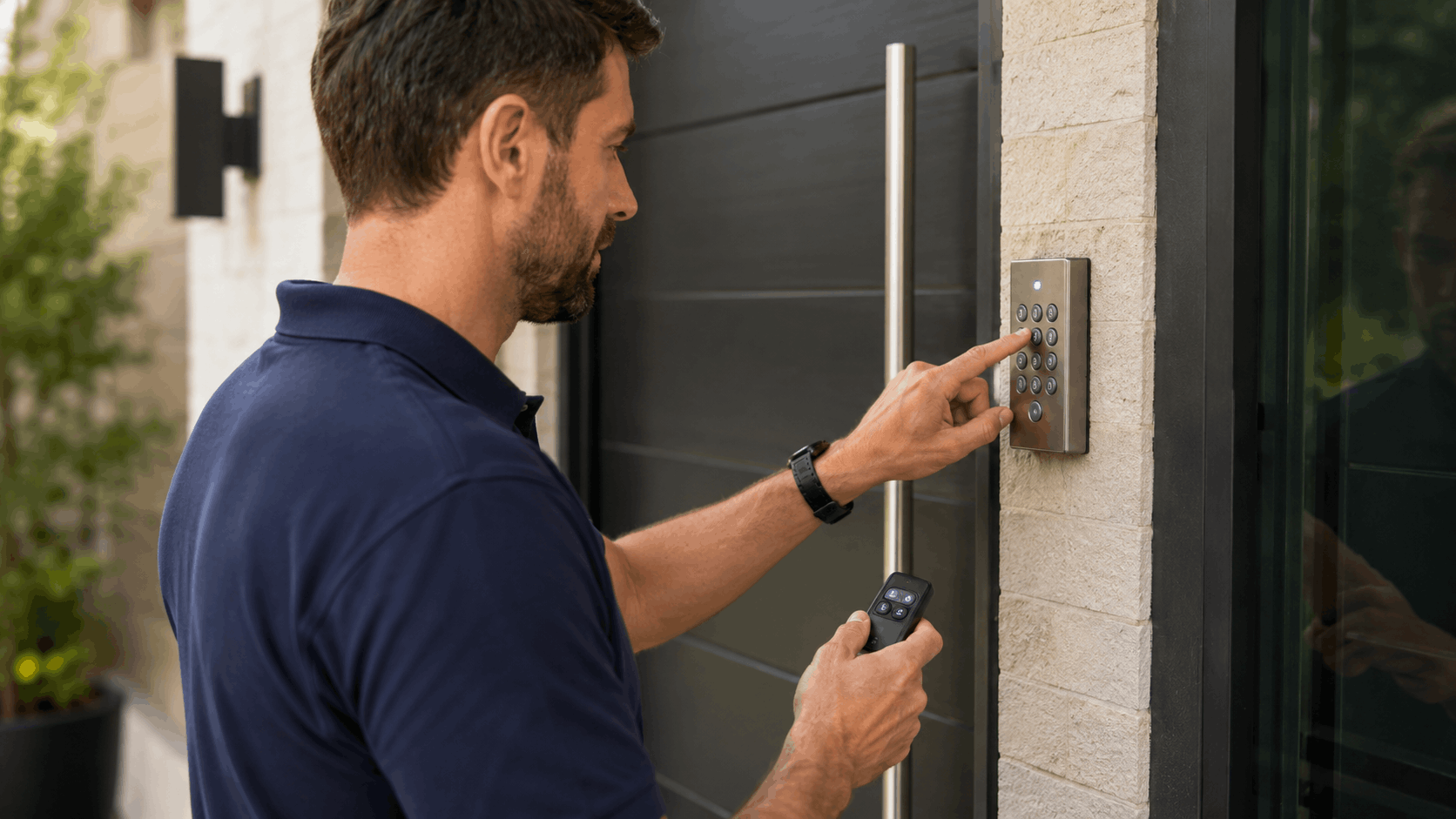
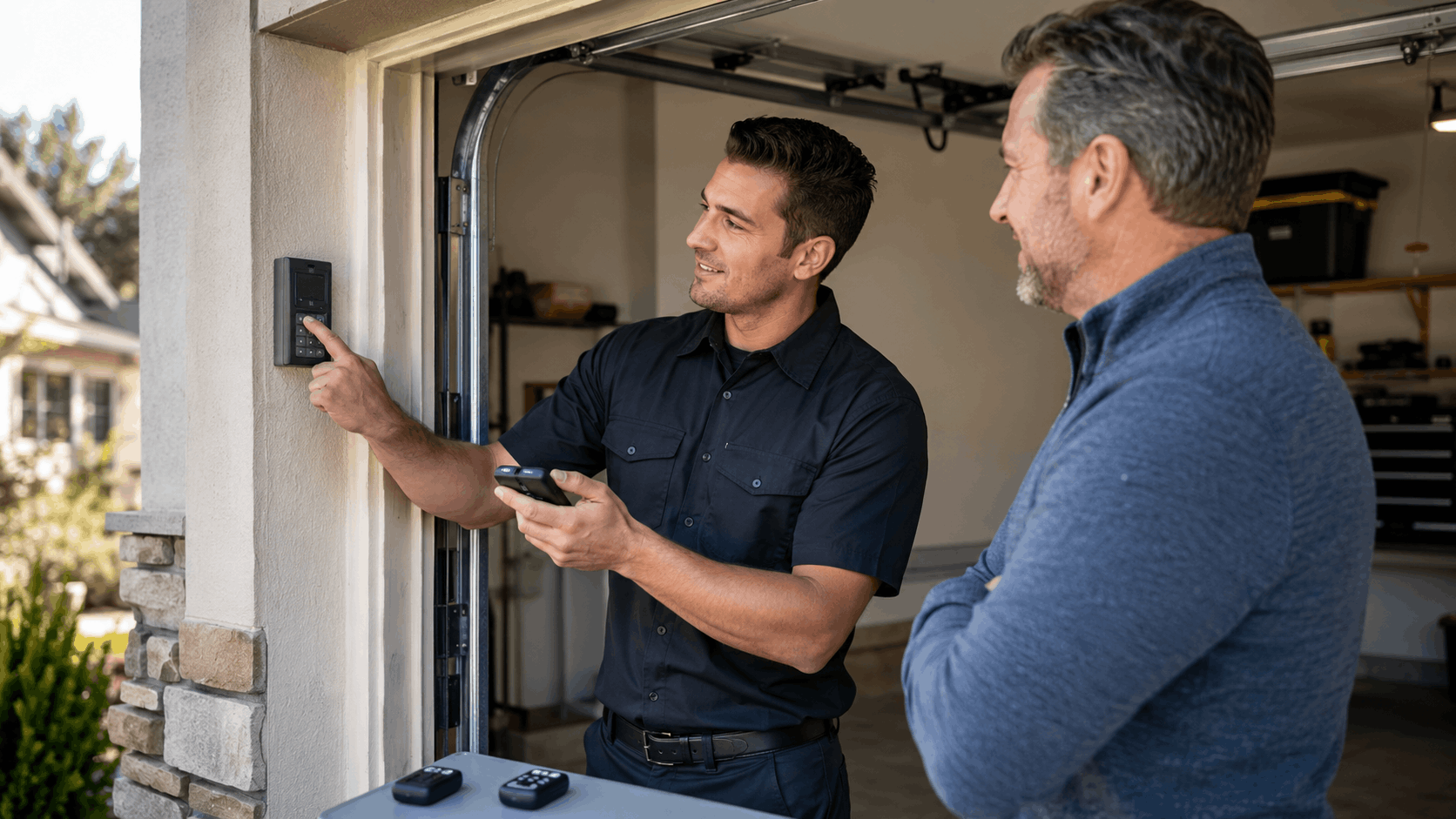
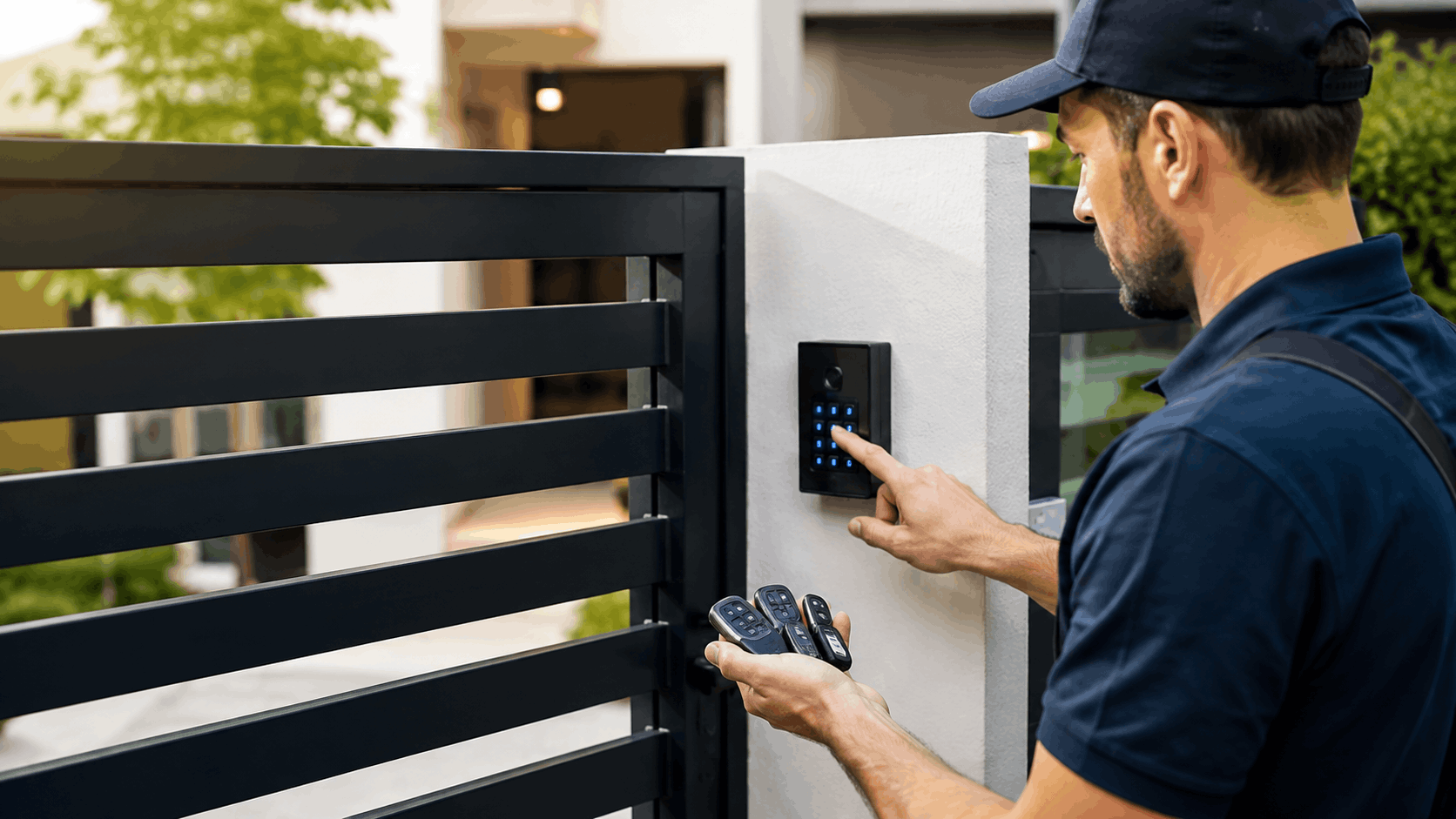
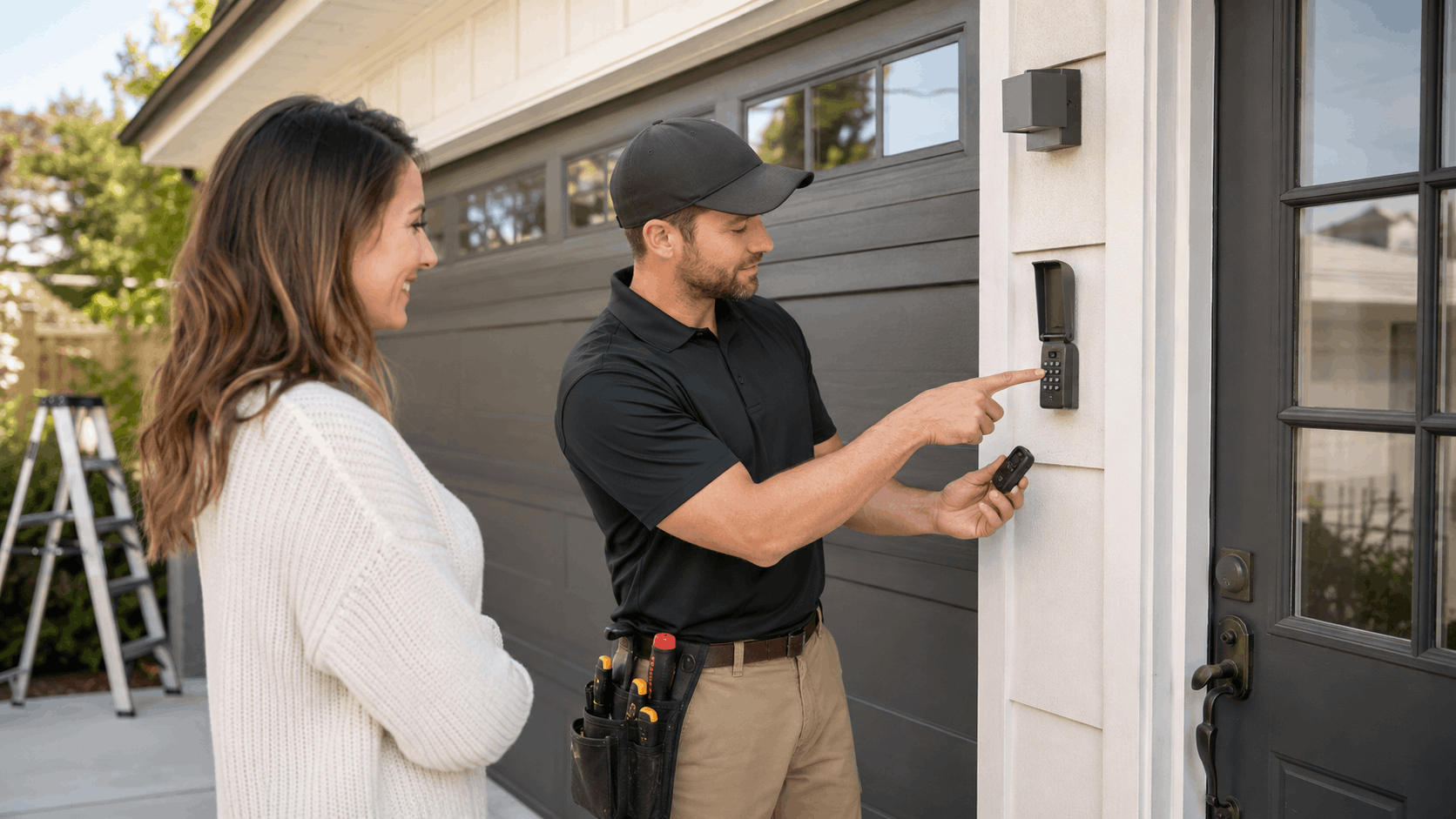
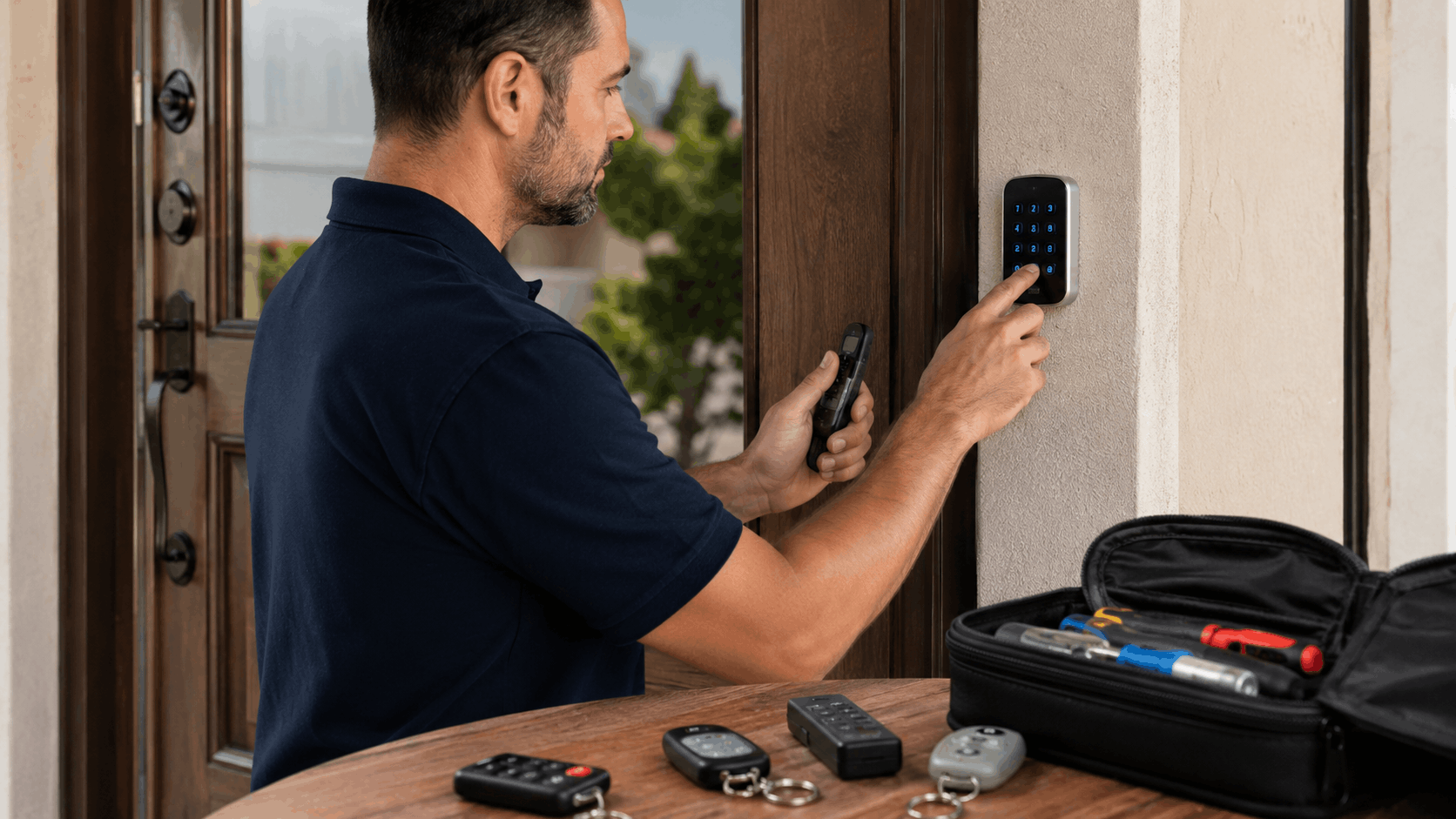
Keypad programming follows the same handshake as a remote. The homeowner presses the learn button on the motor unit, then enters the chosen PIN on the keypad and presses enter or the send button. The motor confirms the pair with a click or a light blink.
On rolling code systems, the keypad syncs to the same secure sequence as the remotes. This means the keypad enjoys the same protection against code grabbers. Each entry generates a fresh rolling code behind the scenes.
Some keypads need the PIN entered twice during setup to confirm it. Others ask the owner to press a program button on the keypad itself first. The keypad manual lays out the exact order, and the steps rarely take more than a minute.
If the keypad sync fails, the same suspects apply as with remotes. Dead keypad batteries, a closed programming window, or a full memory bank are the usual causes. A fresh 9-volt or coin cell in the keypad clears most first-time setup problems.
Temporary Codes for Guests and Service Workers
Many modern keypads support a temporary code alongside the main PIN. This guest access is handy for a dog walker, a pool cleaner, or a house sitter. The gated communities around Turtle Rock rely on these codes to let service workers in without handing out a permanent PIN.
A temporary code can be set to expire after a set number of uses or a certain time period. Once the job is done, the code stops working on its own. That removes the awkward step of remembering to change the PIN after every visit.
Smart keypads take this further with codes managed from a phone app. An owner in Turtle Rock can grant a plumber a code for one morning and delete it from their kitchen table. No trip to the garage required.
For families who host guests often, temporary codes are worth the small extra cost of a smart keypad. They keep the main PIN private while still offering easy access. It is a clean way to manage a busy household.
Weatherproofing Keypads in the Irvine Climate
Irvine weather is mild, but the coastal fog that rolls in from the west and the dry summer heat both wear on a keypad. Moisture can seep into the buttons over time, and constant sun fades the numbers until they are hard to read. A worn keypad is a common service call.
Mounting the keypad under an eave or overhang shields it from direct sun and rain. Even a small amount of cover extends the life of the buttons and electronics. Homes with west-facing garages feel the sun the most.
A weatherproof keypad cover, often a simple flip lid, adds another layer of protection. Many keypads ship with one built in, and it should stay closed between uses. Wiping the pad clean now and then keeps grit out of the buttons.
Keypad maintenance also means checking the battery once a year, since cold fog mornings can drain a weak cell. A little attention keeps the pad responsive through Irvine's seasons. If buttons stop registering, our team can swap the unit quickly during a maintenance and upgrades visit.
What to Do When a Remote Is Lost or Stolen
A missing garage remote is more than an inconvenience. It is a security gap that needs quick action. The moment a remote cannot be found, the smart move is to assume the worst and lock it out.
Here is a fast action plan for a lost or stolen remote:
- Clear the opener memory to kill every paired device at once
- Re-pair only the remotes and keypads still in the home
- Change the keypad PIN as a backup measure
- Order a replacement remote right away
- Consider a smart opener that lets you lock out devices from a phone
Speed matters here. A lost remote paired with a visible home address is a real invitation for trouble.
Why a Lost Remote Is a Real Security Risk
The biggest danger comes from a remote left in a stolen car. The car registration in the glove box lists the home address. A thief now has the address and a working remote in the same haul.
That combination turns a car break-in into a house break-in. The garage often connects straight to the interior of the home, bypassing the front door entirely. It is one of the more common ways burglars get inside without forcing anything.
Even a remote dropped at a park or gym carries risk if it is labeled or paired with other identifying items. A finder with bad intent can test nearby garages. The clip-on style makes it easy to guess it belongs to a garage door.
This is why we treat a lost remote as an urgent issue, not a minor errand. The fix is quick and cheap compared to the risk. Acting the same day is always the right call.
Clearing the Opener Memory to Kill Old Remotes
The surest way to disable a lost remote is to clear the opener memory. On most units, this means holding the learn button until the LED goes dark, usually about six to ten seconds. That single action erases every remote and keypad the opener has ever learned.
Once the memory is wiped, the lost remote is dead. It no longer matches anything in the motor, so pressing it does nothing. The same goes for any old remote a thief might have.
This is a blunt but effective tool. It does not target one device, it clears them all. That is exactly why it works so well, since there is no way to accidentally leave the missing remote active.
The one downside is that every good remote and keypad also stops working after the wipe. That is a small price for locking out an unknown device. The next step is simply re-pairing the ones the household still has.
Reprogramming Your Remaining Remotes
After a memory wipe, every remaining device needs to be re-paired. Grab each handheld remote, the wireless keypad, and any car HomeLink buttons and run through the programming steps one at a time. The process is the same handshake covered earlier.
Start with the remotes since they are quickest, then reprogram the keypad and re-enter a fresh PIN. Finish with the HomeLink buttons in each car, which need the extra learn button press on rolling code systems. Take a quick inventory so nothing gets forgotten.
This is also a good moment to think about how many devices the household really needs. Fewer active remotes means fewer things to lose later. Retiring an old spare that nobody uses is a smart habit.
Re-pairing everything usually takes fifteen to twenty minutes for a typical home. If the steps feel confusing or the opener fights back, our team handles the whole reset and reprogram in one visit. We do this often for Irvine families after a lost remote.
Getting a Replacement Remote Fast
A compatible remote must match the opener brand and rolling code system. A LiftMaster Security+ opener needs a Security+ remote, and a Genie needs an Intellicode unit. Buying the wrong frequency wastes time and money.
The model number on the motor unit tells exactly which replacement remote fits. Snapping a photo of that label makes ordering simple. Many hardware stores carry common models, and manufacturers sell direct.
A universal remote is another option, though it must support the rolling code family the opener uses. Not every universal model covers every brand, so checking the packaging matters. When it works, it can replace a discontinued original.
Our team stocks compatible remotes for the major brands and can program a new one on the spot. We help Irvine residents same day when a remote goes missing, so a home is never left exposed overnight. A quick call gets a replacement in hand fast.
Need Help in Irvine?
Urgent Garage Doors serves Irvine and all of Orange County.
Locking Out Old Remotes After Moving Into a New Home
Locking out old remotes is the number one garage concern for new Irvine homeowners, and it should be. A fresh coat of paint and new front door locks mean little if a stranger still has a working garage remote. The move-in security checklist is not complete until the opener is reset.
Think about everyone who might have held a remote before the sale closed. Sellers, real estate agents, painters, cleaners, and old tenants all had access at some point. Any one of them could still have a device that opens the door.
Why New Homeowners Should Reset the Opener First
The previous owner rarely hands over every remote at closing. Extras end up in junk drawers, car glove boxes, and toolboxes that leave with the seller. A missing count is very likely after a sale.
Beyond the owner, a long list of people may have been given access during the listing. Agents used lockboxes, contractors came and went, and stagers moved through the home. Each visit was a chance for a remote to walk off or get copied.
Old tenants are an even bigger concern in rental turnovers. A former renter with a working remote and knowledge of the layout is a serious exposure. Resetting the opener cuts that tie cleanly.
For all these reasons, we tell every new buyer to reset the opener during the first week. It is one of the cheapest and most effective security steps of the whole move. A quick memory wipe erases every previous owner remote at once.
Full Memory Wipe Versus Adding New Remotes
Some new owners think adding their own remote is enough. It is not. Adding a device leaves every old remote in the opener memory fully active, which defeats the purpose.
A full memory wipe is the safer move by a wide margin. It erases everything the opener has ever learned, then the household re-pairs only its own devices. That ensures no unknown remote survives the reset.
The difference is simple. An opener reset with a wipe starts from zero, while adding a remote just stacks a new device on top of the old ones. Only the wipe removes the mystery devices.
The wipe takes seconds and the re-pairing takes a few minutes. There is no reason to skip it for a new home. We always recommend the full memory wipe over a quick add, especially for homes bought from previous tenants.
Changing Keypad Codes and HomeLink Settings
The exterior keypad needs its own attention during a move-in reset. The previous owner set that PIN, and they still know it. Changing the keypad code to a new private PIN closes that gap.
HomeLink is easy to overlook. The seller may have programmed their old car to the opener, and if they simply changed openers later, that entry can linger. A full opener memory wipe clears the opener side of any old HomeLink pairing.
New owners should also reset the HomeLink buttons in their own cars if they bought a used vehicle. A prior driver may have programmed those buttons to a different garage. Clearing and reprogramming them keeps things tidy.
Handling the keypad and HomeLink at the same time as the opener wipe covers every wireless path into the garage. It is a complete reset rather than a partial one. That thoroughness is what gives a new owner real confidence.
A Move-In Security Checklist for Irvine Buyers
New buyers across Woodbridge, Northwood, and Portola Springs can follow a short checklist to secure the garage. Working through it during the first week covers the biggest gaps. It takes less than an hour for most homes.
- Wipe the opener memory to kill all old remotes
- Re-pair only your own remotes and keypad
- Set a brand-new keypad PIN unrelated to your address
- Reprogram any HomeLink buttons in your cars
- Rekey or replace the door lock between the garage and house
- Check that the emergency release cord is not reachable from outside
Homeowners in Portola Springs and Woodbridge call us often to run this reset. If any step feels unclear, our opener and smart access team handles the whole checklist in one visit. It is a simple way to start life in a new home on solid footing.
Common Programming Problems and How to Fix Them
Even a well-programmed system runs into hiccups. Most programming problems have simple causes that a homeowner can check before calling a pro. A little basic opener troubleshooting saves time and often solves the issue.
The four problems below cover the vast majority of the remote not working calls we get. Running through them takes only a few minutes.
Remote Works Up Close but Not From the Driveway
A remote that only works within a few feet of the garage points to a range problem. A common cause is a weak battery. As the coin cell fades, the signal gets shorter before the button dies completely.
LED light bulbs in the opener are another sneaky culprit. Cheap LED bulbs throw off radio noise that drowns out the remote signal. Swapping to a bulb rated for garage door openers often restores the full range instantly.
The antenna wire hanging from the motor also matters. If it is coiled, cut short, or tucked up into the housing, range drops. Letting the wire hang straight down helps the opener hear the remote from the street.
Signal interference from nearby electronics can shrink range too. If a fresh battery, a good bulb, and a hanging antenna do not fix it, the receiver may be weak. That is the point to have the unit checked.
Keypad Suddenly Stops Responding
A keypad that goes dead usually has a simple fix. The keypad battery is the first thing to check, since it drains sooner than most people expect. Cold fog mornings in Irvine can push a weak cell over the edge overnight.
Worn buttons are the next suspect on older keypads. Years of pressing the same digits wears through the membrane, and certain numbers stop registering. A worn pad is easy to spot by the faded numbers.
Lost sync happens occasionally after a power surge or a nearby memory wipe. If the keypad simply stopped working with no other changes, re-pairing it to the opener often brings it right back. The programming steps are the same as the first setup.
If a fresh battery and a re-pair do not revive the keypad, the unit itself may have failed. Moisture damage is common on keypads exposed to the elements. Our team replaces worn keypads and programs the new one on the same visit.
Interference From Nearby Devices and Signals
Radio interference can make a remote act possessed. Homes near the 405 and 5 freeways sometimes sit in busier radio environments, and dense areas add to the noise. The result is a remote that works one moment and stalls the next.
Common household items add to the problem. LED bulbs, wireless routers, security cameras, and even some Bluetooth devices share crowded radio frequency bands. Any of them can step on the opener signal at the wrong moment.
Newer openers on the 315 and 390 MHz bands handle interference better than very old units. Still, a strong local signal can overwhelm any receiver. Moving an interfering device or changing a noisy bulb often clears it up.
If interference persists after the easy fixes, a technician can test the signal environment. Sometimes relocating the antenna or upgrading the receiver solves a stubborn case. We track down these intermittent issues regularly across Irvine.
Mixing Old and New Equipment
Trying to pair an old remote with a new opener is a frequent source of frustration. A frequency mismatch means the two simply cannot talk. An older 315 MHz remote will not work on a newer 390 MHz motor no matter what.
Rolling code family matters just as much as frequency. A fixed-code remote cannot pair with a rolling code opener, since the newer unit expects a changing code. Opener compatibility comes down to matching both the frequency and the code system.
The reverse also trips people up. A new remote will not run an old fixed-code motor unless the remote supports that older format. Universal remotes with multiple modes help bridge some of these gaps.
When old and new equipment refuse to work together, the cleanest answer is often matching everything to one system. That may mean new remotes for an existing opener or a full opener upgrade. We help homeowners figure out the cheapest path that actually works.
Need Help in Irvine?
Urgent Garage Doors serves Irvine and all of Orange County.
When to Upgrade Your Opener for Better Security
Sometimes the smartest fix is a new opener rather than one more repair. An opener upgrade brings rolling code protection, quieter operation, and modern features in one step. Knowing when to upgrade saves money on repeated small repairs.
The sections below help a homeowner decide whether an old unit is worth keeping. A rolling code upgrade is often cheaper than people expect.
Signs an Old Opener Is Past Its Prime
Age is the clearest sign. A garage door opener typically lasts ten to fifteen years, and units past that mark start to fail more often. Grinding gears, slow travel, and random stops all point to a tired motor.
Fixed codes are a bigger red flag than age alone. An opener with no rolling code offers weak security no matter how well the motor still runs. That single limitation is enough reason to replace many old units.
Lack of smartphone control is another sign the unit is behind the times. Older openers cannot tell an owner whether the door is open or let them close it from work. That gap matters more every year.
Frequent repair calls add up fast. When the cost of fixing an old opener starts to approach the price of a new one, replacement is the better value. Our team gives honest guidance on when opener replacement makes financial sense.
Smart Openers With App Control and Alerts
A smart opener connects to home Wi-Fi and a phone app. LiftMaster's MyQ app is a common system we install, letting owners open, close, and check the door from anywhere. That alone changes how people use the garage.
The security benefits are strong. An owner can lock out remotes, see a log of every open and close, and get an alert if the door is left up. A forgotten open door becomes a quick tap to fix instead of a drive home.
Smart openers also work with guest access and temporary codes managed from the phone. Granting a delivery driver one-time entry is simple. Deleting that access afterward takes a second.
For families who travel or run busy schedules, the alerts and remote control are worth the upgrade. Our smart Wi-Fi opener and MyQ setup service handles the install and app pairing so everything works from day one. It is a clean way to modernize an older garage.
Cost Ranges for a New Opener in Irvine
Opener cost depends on the drive type and features. A basic chain-drive rolling code opener runs lower, while a quiet belt-drive smart model costs more. Most homeowners land somewhere in the middle for a solid unit.
For supply and installation together, most Irvine jobs fall in the range of a few hundred dollars for a standard model up to higher figures for premium smart units with battery backup. The installation price covers mounting, wiring, programming, and haul-away of the old unit. Exact numbers depend on the door and existing setup.
Battery backup is worth mentioning, since California requires it on new openers. That feature keeps the door working during a power outage. It adds a small amount to the cost but is standard now.
A written estimate removes the guesswork. We look at the door, the header space, and the wiring before quoting a firm number. That way a homeowner can budget with confidence through our opener installation service.
How Our Team Handles Upgrades Locally
We offer same-day and scheduled opener service across Irvine neighborhoods. From Woodbridge and Northwood to Great Park and Turtle Rock, our trucks cover the whole city. A local opener install usually wraps up in a couple of hours.
During an install, we mount the new motor, run and test the safety sensors, and program every remote and keypad on the spot. We also set up the app if it is a smart model. The old unit leaves with us.
Before we go, we walk the homeowner through the new features and confirm everything works. That includes testing the door balance and the auto-reverse safety function. A quick tune keeps the new opener running smooth for years.
Homeowners across the city trust our Irvine garage door team for clean, fast upgrades. We treat every install like it is on our own street. That local focus is why so many neighbors call us back.
Final Thoughts
Garage security comes down to a few simple habits. Rolling codes block signal thieves, a smart PIN protects the keypad, and a full memory wipe locks out anyone who held an old remote. For new homeowners, resetting the opener during the first week is the single best move.
Whether the goal is programming a new remote, replacing a lost one, or locking out the previous owner after a move, the fixes are quick when done right. A little attention today saves a lot of worry later.
If any of this feels like too much to tackle alone, our team is ready to help. Contact Urgent Garage Doors for same-day keypad and remote programming, opener resets, and upgrades across Irvine. One quick call gets the garage secured and the whole family back to easy, worry-free access.
Frequently Asked Questions
- How do I lock out remotes the previous owner might still have?
- Perform a full memory wipe on the opener. Hold the learn button on the motor unit until the LED goes dark, usually six to ten seconds. This erases every remote and keypad the opener ever learned, including any the seller or old tenant kept. Then re-pair only your own remotes, keypad, and car HomeLink buttons. Adding a new remote alone does not work, since old devices stay active.
- What is a rolling code and why does it matter?
- A rolling code changes every time the remote is pressed, like a one-time password. The remote and motor both advance to the next code in a shared sequence after each use. This blocks code grabbers, since a signal recorded from the driveway is useless once the code moves on. Older fixed-code openers use one code forever, which is easy to copy. Rolling codes are a major garage security upgrade.
- Can someone copy my garage remote signal?
- With a fixed-code opener, yes. A cheap scanner can capture the single unchanging code and replay it to open the door. Many older Irvine homes near El Camino Real still run these units. A rolling code opener protects against this, since the code changes with every press and a copied signal expires instantly. If security is a concern, confirm which system your opener uses.
- How do I reprogram my keypad if I forgot the PIN?
- Most keypads let you set a new PIN without knowing the old one. Press the learn button on the motor unit, then enter your new code on the keypad and press enter. The opener pairs with the fresh PIN and the old one stops working. Some models need a program button on the keypad pressed first. Check the keypad battery too, since a dead cell blocks the reset.
- Will a universal remote work with my opener?
- It can, as long as it matches your opener's frequency and rolling code family. A universal remote must support the brand system, such as LiftMaster Security+ or Genie Intellicode. Not every universal model covers every brand, so read the packaging before buying. Check the frequency, often 315 or 390 MHz, against your motor unit. When matched correctly, a universal remote is a good replacement for a discontinued original.
- How many remotes can one opener hold?
- Most residential openers hold somewhere between five and twenty devices, counting remotes, keypads, and HomeLink buttons. When the memory bank fills up, new devices will not program until you free up space. The only way to clear space on most units is a full memory wipe, which erases everything at once. Then you re-pair the devices you actually use. Retiring unused old remotes helps avoid a full bank.
- What should I do if my remote was in a stolen car?
- Act immediately, since the car registration lists your home address. Wipe the opener memory right away to disable the stolen remote. Then re-pair your remaining remotes and keypad, and set a new keypad PIN as a backup. If you cannot reach the opener quickly, ask a neighbor or call us for same-day service. A lost remote paired with your address is a direct security risk.
- Why does my remote only work when I am close to the garage?
- Short range usually means a weak battery, so try a fresh coin cell first. LED bulbs in the opener are another common cause, since they throw off radio noise that shortens the signal. Make sure the antenna wire hangs straight down from the motor. Nearby electronics and freeway radio traffic can add interference too. If none of these help, the receiver may be weak and need service.
- Do you offer same-day programming service in Irvine?
- Yes. We provide same-day keypad and remote programming across Irvine, including Woodbridge, Northwood, Portola Springs, Great Park, and Turtle Rock. Our trucks cover the whole city, so response times are usually quick. Whether you need a lost remote replaced, an opener reset after a move, or a new keypad programmed, we can often handle it the same day. A quick call gets a technician on the way.
- How much does it cost to reprogram or replace a remote?
- Reprogramming an existing remote or keypad is a small, quick job. Replacing a remote adds the cost of the compatible unit, which for common brands runs a modest amount plus programming. A new wireless keypad falls in a similar range. Prices depend on the opener brand and how many devices need setup. We give a clear quote before any work, so there are no surprises on the bill.
Licensed garage door repair professionals serving Irvine and Orange County.
Licensed in California · License #1055150
Why trust Urgent Garage Doors?
Founded in 2017, Urgent Garage Doors is a licensed and insured garage door services serving Irvine and Orange County. All content is reviewed by our licensed technicians.

Need Help in Irvine?
Urgent Garage Doors serves Irvine and all of Orange County.
Related Articles
Garage Door Insurance Claims in California: What's Covered After Wind Damage
Learn what California homeowners insurance covers after Santa Ana wind damages your garage door, how to document a claim, and how Irvine homeowners get fast repairs.
How Rolling Code Technology Keeps Your Irvine Garage More Secure
Learn how rolling code technology stops thieves from copying your garage remote, why older fixed-code openers leave Irvine homes exposed, and when to upgrade.
Smart Opener Security: How Hackers Replay 315MHz vs Rolling Code Signals
Learn how hackers replay 315MHz fixed code garage signals, why rolling code stops them, and how Irvine homeowners can protect their garage today.